
What Are the Benefits of Eating Spanish Mackerel? A Complete Nutritional Guide
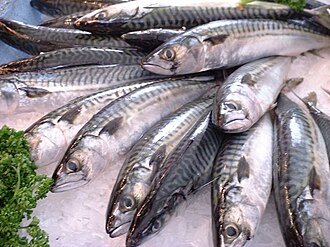
Spanish mackerel is a popular seafood choice valued for its rich flavor, firm texture, and versatility in cooking. Beyond its culinary appeal, mackerel can also contribute important nutrients to a balanced diet, including high-quality protein, omega-3 fatty acids, vitamins, and minerals.
For consumers, restaurants, foodservice operators, and seafood distributors looking for nutritious and versatile fish, Spanish mackerel can be an attractive option.
In this guide, Villena Seafood explores the potential nutritional benefits of eating Spanish mackerel, its key nutrients, how it compares with other commonly eaten fish, and what wholesale seafood buyers should consider when sourcing mackerel products.
What Is Spanish Mackerel?
Spanish mackerel is the common name used for several mackerel species found in different parts of the world’s oceans. The exact species and characteristics can vary depending on the fishing region and market.
Spanish mackerel generally has:
- Firm, flavorful flesh
- A relatively high natural oil content
- A distinctive seafood flavor
- Good protein content
- Naturally occurring omega-3 fatty acids
- Versatile culinary applications
The fish can be prepared in numerous ways, including grilling, baking, pan-frying, steaming, smoking, and incorporating into seafood dishes.
For commercial seafood buyers, the exact species, fishing area, processing format, size, freezing method, packaging, and certification should always be confirmed with the supplier.
1. Spanish Mackerel Is a Good Source of High-Quality Protein
One of the main nutritional benefits of Spanish mackerel is its protein content.
Protein is an essential macronutrient needed by the body for many functions, including maintaining and repairing tissues. Fish provides complete protein, meaning it supplies all nine essential amino acids that the human body cannot produce on its own.
Including protein-rich seafood such as mackerel as part of a balanced diet can therefore help consumers meet their daily protein requirements.
Why protein matters
Protein contributes to:
- Normal growth and development
- Maintenance of muscles and tissues
- Production of enzymes and hormones
- Normal immune function
- General nutritional balance
For this reason, mackerel can be a valuable protein option for households, restaurants, catering businesses, and foodservice operations.
2. Spanish Mackerel Contains Omega-3 Fatty Acids
Mackerel is particularly well known for its naturally occurring long-chain omega-3 fatty acids, especially EPA and DHA.
Omega-3 fatty acids are polyunsaturated fats that play important roles in normal human nutrition.
EPA and DHA contribute to several physiological functions. DHA, for example, contributes to the maintenance of normal brain function and normal vision when consumed at appropriate levels.
The amount of omega-3 fatty acids can vary according to:
- Species
- Fish size
- Season
- Geographic location
- Diet
- Processing
- Storage conditions
Therefore, nutritional values should be verified against the specific product specification when precise nutritional information is required.
3. Mackerel Provides Vitamin B12
Spanish mackerel can also contribute vitamin B12 to the diet.
Vitamin B12 is an essential nutrient involved in normal red blood cell formation, normal neurological function, and energy metabolism.
Seafood is among the foods naturally containing vitamin B12, making fish such as mackerel useful within a varied diet.
For consumers who regularly include seafood in their meals, mackerel can therefore contribute to overall micronutrient intake.
4. Spanish Mackerel Can Provide Vitamin D
Depending on the species and portion, oily fish such as mackerel can be a useful dietary source of vitamin D.
Vitamin D has several important functions in the body, including contributing to:
- Normal absorption and utilization of calcium and phosphorus
- Maintenance of normal bones
- Normal muscle function
- Normal immune system function
The vitamin D concentration of fish can vary, so consumers should not assume that every Spanish mackerel product has the same nutritional profile.
5. It Contains Important Minerals
In addition to protein, fatty acids, and vitamins, mackerel provides a range of minerals.
Depending on the species and serving size, mackerel can contribute nutrients such as:
- Selenium
- Phosphorus
- Potassium
- Magnesium
Selenium
Selenium contributes to the protection of cells from oxidative stress and supports normal thyroid function and immune system function.
Phosphorus
Phosphorus contributes to normal energy-yielding metabolism and the maintenance of normal bones and teeth.
Because nutrient levels vary between fish species and products, laboratory nutritional analysis is the most reliable way to establish exact values for a commercial product.
6. Spanish Mackerel Is a Nutrient-Dense Seafood Choice
A major advantage of seafood is that it can provide several nutrients within a relatively simple food.
Spanish mackerel can combine:
Protein + omega-3 fatty acids + vitamins + minerals
This makes it an appealing ingredient for balanced meals.
Instead of focusing on one individual nutrient, consumers can consider mackerel as part of an overall varied diet containing seafood, vegetables, fruits, whole grains, legumes, and other nutritious foods.
7. Its Natural Fat Content Makes It Flavorful
Spanish mackerel’s natural oil content contributes to its characteristic flavor and texture.
Compared with some lean white fish, oily mackerel generally has a richer taste and a more substantial mouthfeel.
This makes it suitable for recipes where the fish itself is intended to be a prominent flavor.
Popular preparation methods include:
Grilled Spanish Mackerel
Grilling can provide a lightly charred exterior while retaining the fish’s natural flavor.
Baked Spanish Mackerel
Baking is a straightforward preparation method and can be combined with vegetables, herbs, lemon, and other ingredients.
Pan-Fried Mackerel
Pan-frying can produce a crisp exterior and is commonly used in many seafood cuisines.
Smoked Mackerel
Smoking gives mackerel a distinctive flavor and can extend its usability when produced and handled according to appropriate food-safety requirements.
8. Spanish Mackerel Is Versatile in the Kitchen
Another reason mackerel remains popular is its culinary versatility.
It can be used in:
- Seafood restaurants
- Hotels
- Catering operations
- Fish markets
- Supermarkets
- Ready-to-cook seafood products
- Foodservice meals
- Traditional seafood recipes
- Frozen seafood preparations
Its firm flesh makes it suitable for different cooking techniques, although preparation requirements depend on the specific product format.
9. Mackerel Can Be an Alternative to Other Popular Fish
Consumers often compare mackerel with salmon, sardines, tuna, herring, and other seafood.
Each species has its own nutritional profile.
| Fish | General Characteristics | Common Nutritional Highlights |
|---|---|---|
| Spanish Mackerel | Flavorful, firm, naturally oily | Protein, omega-3s, B vitamins |
| Salmon | Rich, oily flesh | Protein, omega-3s, vitamin D |
| Sardines | Small oily fish | Protein, omega-3s, calcium when bones are eaten |
| Herring | Oily and flavorful | Protein, omega-3s, vitamin D/B12 |
| Tuna | Firm, relatively lean flesh | High-quality protein, B vitamins |
The nutritional composition of each species varies according to species, origin, season, size, processing, and preparation.
For seafood buyers, choosing between species should therefore involve more than nutrition alone. Price, availability, consumer preferences, product format, origin, sustainability requirements, and logistics can all influence purchasing decisions.
10. Spanish Mackerel Can Fit Different Meal Styles
One of the advantages of mackerel is that it works across many cuisines.
It can be served with:
- Rice
- Potatoes
- Fresh vegetables
- Salads
- Pasta
- Grains
- Herbs and spices
- Citrus-based sauces
- Tomato-based preparations
This versatility can make mackerel attractive to foodservice businesses looking for a fish that can be incorporated into different menus.
11. Fresh vs Frozen Spanish Mackerel
For consumers and commercial buyers, product condition is an important consideration.
Fresh mackerel can offer a short route from harvest to consumption but requires reliable refrigerated distribution.
Frozen Spanish mackerel, meanwhile, can provide greater flexibility for international seafood supply chains because freezing allows products to be stored and transported over longer periods under appropriate conditions.
For wholesale buyers, important specifications may include:
- Species
- Origin
- Catch area
- Size range
- Whole or processed format
- HGT or other preparation format
- Individual or block frozen
- Glazing percentage
- Net weight
- Packaging
- Carton weight
- Storage temperature
- Shelf life
- Production date
- Catch/production documentation
- Certifications
These specifications should be agreed upon before purchase.
12. Why Product Quality Matters
The nutritional value and eating quality of seafood are only part of the purchasing decision.
For wholesale Spanish mackerel, proper handling throughout the supply chain is essential.
Important quality factors include:
Temperature Control
Frozen seafood should remain within the appropriate cold-chain conditions during storage and transportation.
Packaging Integrity
Packaging should protect the fish from contamination, physical damage, and excessive moisture loss.
Traceability
Professional seafood supply chains should provide appropriate information regarding product origin and production or catch details.
Consistent Specifications
Wholesale customers often require consistent sizes, packaging formats, weights, and quality standards.
For importers and distributors, working with an experienced seafood supplier can help simplify sourcing and quality-control processes.
13. Is Spanish Mackerel Healthy?
Spanish mackerel can be part of a healthy, balanced diet because it provides protein and naturally occurring nutrients such as omega-3 fatty acids, vitamin B12, vitamin D, and minerals.
However, the word “healthy” should not be interpreted as meaning that every mackerel product is nutritionally identical.
Nutritional composition depends on the specific species and product.
Preparation also matters. A grilled or baked mackerel dish can have a substantially different overall nutritional profile from a heavily breaded or deep-fried preparation.
Consumers should therefore consider the complete meal rather than focusing on one food in isolation.
14. How Often Should You Eat Mackerel?
General dietary guidance in many countries encourages regular consumption of seafood as part of a balanced diet.
However, recommendations concerning fish consumption can differ according to country, species, age, pregnancy status, and potential exposure to environmental contaminants such as mercury.
For this reason, consumers should follow the fish-consumption guidance issued by their local public-health authority.
This is particularly important because mackerel is not one single species. Different mackerel species can have substantially different mercury profiles.
15. Mercury and Seafood: What Consumers Should Know
When discussing the benefits of mackerel, it is also important to consider seafood safety.
Not all fish have the same contaminant profile. The name “mackerel” covers multiple species, and some species can contain considerably more mercury than others.
Therefore, consumers should identify the exact species whenever possible and consult current guidance from the relevant food-safety authority.
For commercial seafood importers, documentation identifying the species and origin is particularly important.
16. Spanish Mackerel for Restaurants and Foodservice
Spanish mackerel can be an interesting option for restaurants because it combines strong flavor with multiple preparation possibilities.
It can be positioned on menus as:
- Grilled mackerel
- Baked mackerel
- Pan-seared fish
- Smoked mackerel
- Whole grilled fish
- Mackerel fillets
- Seafood rice dishes
- Asian-inspired seafood dishes
- Mediterranean-style preparations
The exact format should be selected according to the restaurant’s kitchen capabilities, menu concept, target customers, and expected purchasing volume.
17. Spanish Mackerel for Wholesale Seafood Buyers
For importers and distributors, buying Spanish mackerel requires attention to both product specifications and supply-chain reliability.
Before placing a wholesale order, buyers should ask suppliers for:
- Scientific name of the species
- Country of origin
- Catching area
- Fishing method where relevant
- Product format
- Size grades
- Packing configuration
- Net and gross weight
- Freezing method
- Storage temperature
- Shelf life
- Production or catch date
- Available certifications
- Health and export documentation
- Minimum order quantity
- Incoterm
- Loading port
- Reefer shipping options
A detailed product specification helps buyers compare suppliers accurately and reduces misunderstandings during international transactions.
18. Why Buy Spanish Mackerel Wholesale?
Wholesale Spanish mackerel can be suitable for several types of businesses, including:
- Seafood importers
- Seafood distributors
- Supermarket chains
- Fish wholesalers
- Restaurants
- Hotels
- Catering companies
- Food manufacturers
- Foodservice distributors
Bulk purchasing can provide access to consistent supply and commercial packaging while allowing distributors to serve multiple downstream customers.
The most suitable purchasing model depends on market demand, available cold storage, distribution capabilities, and required order volume.
19. How to Choose a Spanish Mackerel Supplier
Selecting a reliable seafood supplier is one of the most important parts of international sourcing.
A professional supplier should be able to provide clear information about:
Species: The exact fish species should be clearly identified.
Origin: The country and, where applicable, fishing area should be documented.
Specifications: Size, format, packaging, glazing, and weight should be clearly stated.
Quality control: Buyers should understand how the product is processed, frozen, stored, and inspected.
Documentation: Export and food-safety documentation should be available according to the destination market.
Logistics: The supplier should explain available shipping options and cold-chain requirements.
Communication: Clear commercial communication is essential when purchasing frozen seafood internationally.
20. Spanish Mackerel: A Nutrient-Rich and Versatile Seafood
Spanish mackerel offers a combination of high-quality protein, naturally occurring omega-3 fatty acids, vitamins, minerals, rich flavor, and culinary versatility.
For consumers, it can be incorporated into a balanced diet through a variety of preparations.
For restaurants and foodservice operators, its firm flesh and distinctive flavor make it suitable for numerous menu applications.
For international seafood buyers, Spanish mackerel can also represent an interesting wholesale product when the species, origin, specifications, quality, documentation, and cold-chain requirements are properly controlled.
At Villena Seafood, we recognize that successful seafood sourcing requires more than simply finding a product. Buyers need reliable specifications, transparent sourcing information, consistent quality, and dependable international logistics.
Whether you are a seafood importer, distributor, supermarket, restaurant group, or foodservice company, understanding the characteristics of Spanish mackerel can help you make more informed purchasing decisions.
Frequently Asked Questions About Spanish Mackerel
Is Spanish mackerel high in protein?
Yes. Spanish mackerel is a protein-rich fish and provides complete protein containing all nine essential amino acids.
Does Spanish mackerel contain omega-3?
Yes. Mackerel naturally contains long-chain omega-3 fatty acids, including EPA and DHA. Exact concentrations vary according to species, season, origin, and other factors.
Is Spanish mackerel an oily fish?
Many mackerel species are considered oily fish because they naturally contain relatively high levels of fat compared with lean fish.
What vitamins are found in mackerel?
Mackerel can provide nutrients including vitamin B12 and, depending on the species and portion, vitamin D and other B vitamins.
How can Spanish mackerel be cooked?
Spanish mackerel can be grilled, baked, pan-fried, steamed, smoked, or incorporated into a variety of seafood recipes.
Is frozen Spanish mackerel good for wholesale?
Frozen Spanish mackerel can be well suited to international wholesale distribution when it is properly processed, packaged, frozen, stored, and transported under controlled cold-chain conditions.
What should wholesale buyers check before purchasing?
Buyers should confirm the exact species, origin, catch area, size, processing format, freezing method, packaging, net weight, glazing, shelf life, certifications, documentation, MOQ, Incoterms, and shipping arrangements.
Final Thoughts
What are the benefits of eating Spanish mackerel? The answer goes beyond its appealing taste. Spanish mackerel can provide high-quality protein, omega-3 fatty acids, vitamin B12, vitamin D, selenium, phosphorus, and other nutrients while offering considerable versatility in the kitchen.
For consumers, mackerel can be a valuable part of a varied and balanced diet. For restaurants and foodservice businesses, it offers a flavorful fish suitable for numerous preparations. And for wholesale seafood buyers, understanding species, origin, quality, specifications, and cold-chain requirements is essential for successful sourcing.
Villena Seafood is committed to helping international seafood buyers source frozen seafood with clear specifications and professional export support. For wholesale Spanish mackerel inquiries, buyers should request a detailed specification sheet, current availability, packing options, minimum order quantities, and shipping terms before placing an order.