
What Is the Top 3 Healthiest Fish to Eat? A Complete Guide to the Best Fish for Nutrition
When it comes to choosing nutritious foods, fish is widely recognized as an important part of a balanced diet. Seafood can provide high-quality protein, omega-3 fatty acids, vitamins, minerals, and other essential nutrients. But with so many fish species available, an important question often comes up: What are the top 3 healthiest fish to eat?
While there is no single fish that is objectively “the healthiest” for everyone, salmon, sardines, and Atlantic mackerel are three excellent choices because they combine valuable nutrients—particularly omega-3 fatty acids—with high-quality protein and important vitamins and minerals.
At Villena Seafood, we believe that understanding the nutritional characteristics of different seafood species helps consumers, restaurants, foodservice businesses, importers, and distributors make better-informed seafood choices.
In this comprehensive guide, we explore the nutritional benefits of these three popular fish, how they compare, how to prepare them, and what wholesale seafood buyers should consider when sourcing them internationally.
What Makes a Fish Healthy?
Before ranking the top three healthiest fish, it is important to understand what makes seafood a nutritious choice.
A healthy fish can provide several valuable nutrients, including:
- High-quality protein
- Omega-3 fatty acids
- Vitamin B12
- Vitamin D
- Selenium
- Iodine
- Phosphorus
- Other vitamins and minerals
However, nutrition is not the only consideration.
Consumers should also consider:
- Mercury levels
- Species
- Portion size
- Preparation method
- Sustainability
- Product quality
- Origin
- Food-safety standards
Different species can have very different nutritional and contaminant profiles. The term “mackerel,” for example, covers numerous species, so it is important to identify the exact fish being discussed.
The Top 3 Healthiest Fish to Eat
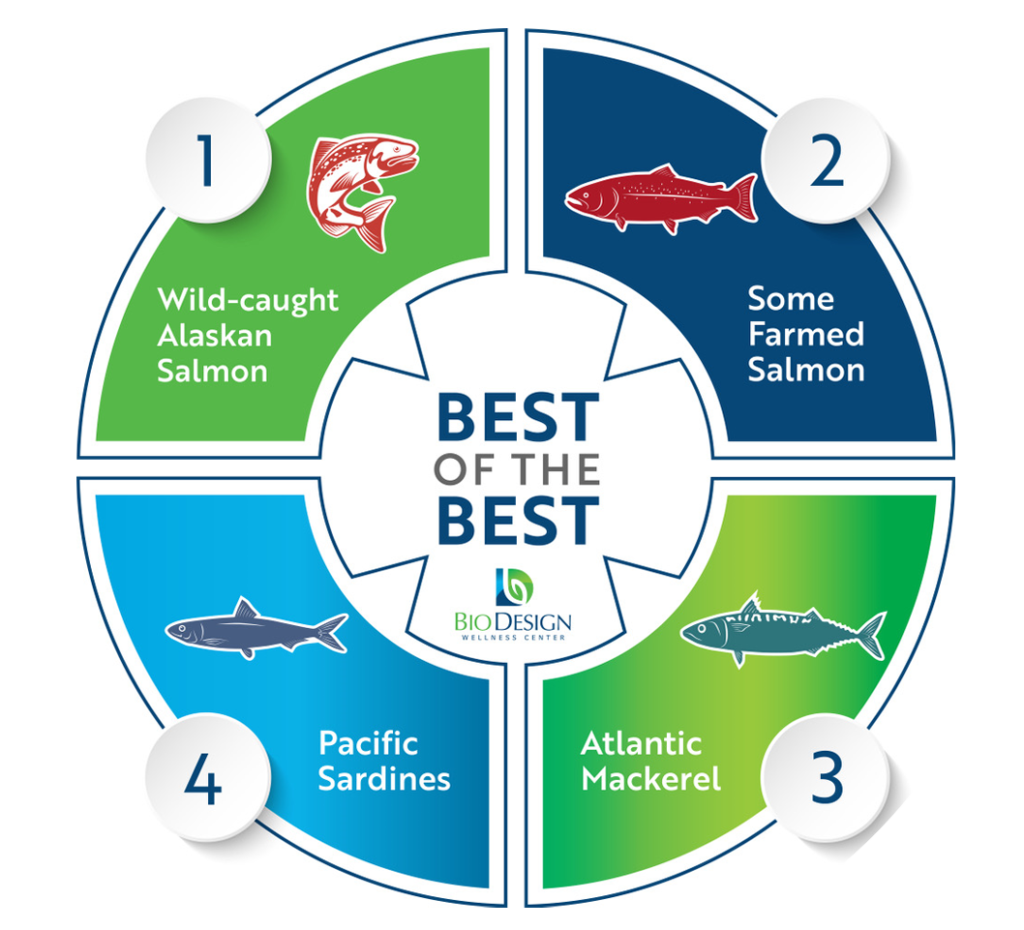
Based on their combination of nutrients, especially omega-3 fatty acids and protein, three excellent choices are:
1. Salmon
2. Sardines
3. Atlantic Mackerel
Let’s look at each one in detail.
1. Salmon: One of the Best All-Around Fish for Nutrition
Salmon is one of the world’s most popular seafood choices and is frequently recognized for its nutritional value.
It provides:
- High-quality protein
- Omega-3 fatty acids EPA and DHA
- Vitamin B12
- Vitamin D
- Selenium
- Other essential nutrients
Its combination of protein and beneficial fats makes salmon a versatile addition to a balanced diet.
Why Is Salmon Considered Healthy?
One of salmon’s most notable characteristics is its omega-3 content.
EPA and DHA are long-chain omega-3 fatty acids naturally found in oily fish. DHA contributes to the maintenance of normal brain function and normal vision, while EPA and DHA contribute to normal heart function when consumed in sufficient amounts.
Salmon also provides high-quality protein, which is important for maintaining and repairing body tissues.
Salmon and Vitamin D
Salmon can also be a useful dietary source of vitamin D.
Vitamin D contributes to:
- Normal absorption and utilization of calcium and phosphorus
- Maintenance of normal bones
- Normal muscle function
- Normal immune system function
The amount of vitamin D varies according to salmon species, diet, growing conditions, and other factors.
How Can Salmon Be Prepared?
Salmon is exceptionally versatile.
Popular preparations include:
- Grilled salmon
- Baked salmon
- Pan-seared salmon
- Steamed salmon
- Smoked salmon
- Salmon salads
- Salmon bowls
- Salmon with vegetables
- Salmon with rice
For health-conscious meals, cooking methods that do not add excessive amounts of saturated fat or salt can be useful.
2. Sardines: Small Fish With Big Nutritional Value
Sardines are another excellent seafood choice.
These small oily fish can provide:
- Omega-3 fatty acids
- High-quality protein
- Vitamin B12
- Vitamin D
- Selenium
- Calcium when the edible bones are consumed
One of the unique nutritional advantages of sardines is that they are commonly eaten whole, including their soft edible bones.
Why Are Sardines So Nutritious?
Sardines are naturally oily fish, which means they can contain significant amounts of long-chain omega-3 fatty acids.
Their small size also makes them an attractive seafood option for consumers who want to include oily fish in their diet.
Sardines can also provide vitamin B12, a nutrient involved in normal red blood cell formation, neurological function, and energy metabolism.
Sardines and Calcium
When sardines are eaten with their soft edible bones, they can be a useful source of calcium.
Calcium contributes to:
- Maintenance of normal bones
- Maintenance of normal teeth
- Normal muscle function
- Normal neurotransmission
This makes whole sardines nutritionally distinctive compared with many boneless fish products.
How Can Sardines Be Eaten?
Sardines can be:
- Grilled
- Baked
- Canned
- Smoked
- Served with salads
- Added to pasta
- Served with rice
- Used in sandwiches
- Combined with vegetables
Their strong flavor makes them particularly suitable for recipes where seafood is intended to provide a prominent taste.
3. Atlantic Mackerel: An Omega-3-Rich Seafood Choice
Atlantic mackerel is another excellent fish for a nutrient-rich diet.
Mackerel is well known for being an oily fish and can provide substantial amounts of omega-3 fatty acids.
It also provides:
- High-quality protein
- Vitamin B12
- Vitamin D
- Selenium
- Phosphorus
- Other important nutrients
Why Is Atlantic Mackerel Considered Healthy?
The naturally occurring omega-3 fatty acids in mackerel are one of its main nutritional attractions.
Mackerel’s rich natural oil content also contributes to its distinctive flavor and firm texture.
For consumers who enjoy stronger-tasting seafood, Atlantic mackerel can be an excellent alternative to milder fish.
Important: Not All Mackerel Is the Same
This is an important point when discussing the healthiest fish.
“Mackerel” refers to a broad group of species.
Atlantic mackerel is different from larger mackerel species such as king mackerel.
Some larger predatory fish can accumulate higher levels of mercury, so consumers should identify the exact species and follow current seafood-consumption guidance from their local food-safety authority.
For wholesale buyers, the scientific name should be confirmed on product specifications and documentation.
Salmon vs Sardines vs Mackerel
So which of these three fish is the healthiest?
There is no universal winner because each species offers a different nutritional profile.
| Feature | Salmon | Sardines | Atlantic Mackerel |
|---|---|---|---|
| High-quality protein | Yes | Yes | Yes |
| Omega-3 fatty acids | High | High | High |
| Vitamin B12 | Good source | Good source | Good source |
| Vitamin D | Often significant | Can be significant | Can be significant |
| Selenium | Yes | Yes | Yes |
| Calcium | Limited in fillets | High when bones are eaten | Generally lower |
| Flavor | Mild/rich | Strong | Rich/oily |
| Common formats | Fresh, frozen, smoked | Fresh, frozen, canned | Fresh, frozen |
Actual nutrient levels vary according to species, product, serving size, origin, season, and processing.
Why Omega-3 Fatty Acids Matter
One of the biggest reasons salmon, sardines, and mackerel are often highlighted among nutritious fish is their omega-3 content.
There are several types of omega-3 fatty acids, but seafood is particularly notable for providing the long-chain omega-3s:
EPA — eicosapentaenoic acid
DHA — docosahexaenoic acid
EPA and DHA are naturally found in oily fish.
DHA contributes to normal brain function and normal vision, while EPA and DHA contribute to normal heart function.
For this reason, including oily fish in a varied diet can be a practical way to obtain these fatty acids.
Fish Is Also an Excellent Source of Protein
The benefits of fish are not limited to omega-3 fatty acids.
Fish provides high-quality protein containing all essential amino acids.
Protein contributes to:
- Growth and development
- Maintenance of muscle mass
- Maintenance of bones
- Normal physiological functions
Salmon, sardines, and mackerel can all contribute meaningful amounts of protein to a meal.
Fish Provides Important Vitamins and Minerals
Another reason to include different types of fish in a balanced diet is their micronutrient content.
Depending on the species and serving, seafood can provide:
Vitamin B12
Important for normal red blood cell formation, neurological function, and energy metabolism.
Vitamin D
Contributes to normal bone and muscle function and normal immune-system function.
Selenium
Contributes to normal thyroid function and protection of cells from oxidative stress.
Phosphorus
Contributes to normal energy-yielding metabolism and maintenance of normal bones and teeth.
Iodine
Certain seafood species can also provide iodine, which contributes to normal thyroid function.
How Often Should You Eat Fish?
Many dietary guidelines recommend eating fish regularly as part of a balanced diet.
However, the recommended frequency varies between countries and depends on the species and the consumer.
Some fish are more suitable for frequent consumption than others because mercury and other contaminant levels vary between species.
Consumers should therefore follow current recommendations from their country’s food-safety or public-health authority.
Children and pregnant individuals may have specific fish-consumption recommendations and should pay particular attention to local guidance.
What About Mercury in Fish?
Mercury is one of the important considerations when choosing seafood.
Fish naturally varies in mercury concentration.
Generally, larger, older predatory fish tend to accumulate more mercury than smaller fish.
This is one reason why species identification matters.
Lower-mercury choices often include:
- Sardines
- Salmon
- Atlantic mackerel
However, consumers should always consult current official seafood-safety guidance because recommendations can change and can differ by species and region.
It is also important not to confuse Atlantic mackerel with other mackerel species that may have different mercury profiles.
Fresh vs Frozen Fish: Which Is Healthier?
Consumers sometimes assume that fresh fish is automatically healthier than frozen fish.
That is not necessarily the case.
Properly frozen fish can retain much of its nutritional value, particularly when it is frozen soon after harvest and maintained under appropriate cold-chain conditions.
The nutritional quality of a frozen fish product depends on factors such as:
- Species
- Freshness before freezing
- Freezing method
- Storage temperature
- Storage duration
- Packaging
- Thawing practices
For international seafood distribution, frozen products can provide major logistical advantages because they allow seafood to travel long distances while maintaining appropriate temperature-controlled conditions.
How to Choose Healthy Fish at the Store
When purchasing fish for your household, restaurant, or foodservice operation, consider several factors.
1. Identify the Species
Don’t rely solely on general names.
Confirm the exact species, particularly for fish such as mackerel.
2. Check the Origin
The country and, where relevant, fishing area can provide useful traceability information.
3. Consider the Preparation Method
A nutritious fish can become part of a less balanced meal depending on how it is prepared.
Grilling, baking, steaming, and other cooking methods can help minimize unnecessary additions of saturated fat.
4. Check the Product Condition
Frozen fish should remain properly frozen throughout transportation and storage.
5. Look for Reliable Traceability
For commercial seafood, documentation and traceability are especially important.
Best Fish for Restaurants and Foodservice
Salmon, sardines, and mackerel are not only nutritious—they are also commercially versatile.
Salmon
Popular for:
- Premium restaurants
- Hotels
- Supermarkets
- Catering
- Foodservice
- Ready-to-cook products
Sardines
Suitable for:
- Retail
- Restaurants
- Canned seafood
- Mediterranean cuisine
- Food manufacturing
- Foodservice
Mackerel
Suitable for:
- Restaurants
- Seafood distributors
- Supermarkets
- Foodservice
- Smoked seafood
- Frozen seafood programs
The most appropriate product depends on the target market, price point, packaging requirements, and available supply.
What Should Wholesale Buyers Look for When Buying Healthy Fish?
For international seafood buyers, nutritional value is only one part of the sourcing process.
Professional buyers should also evaluate:
- Species identification
- Scientific name
- Country of origin
- Catch area
- Size
- Product format
- Processing method
- Freezing method
- Net weight
- Glazing percentage
- Packaging
- Shelf life
- Storage requirements
- Certifications
- Health documentation
- Traceability
- Minimum order quantity
- Loading port
- Incoterms
- Shipping arrangements
A supplier that provides clear specifications makes it easier for importers and distributors to compare products and maintain consistent quality.
Why Seafood Buyers Choose Frozen Fish
Frozen seafood is an important part of the international seafood industry.
For wholesalers and importers, frozen fish offers:
- Longer distribution windows
- Better inventory management
- International shipping flexibility
- Consistent product availability
- Year-round commercial supply
- Convenient storage
- Multiple packaging options
A properly managed frozen seafood supply chain should maintain appropriate temperature control from processing through transportation, storage, and final distribution.
Sustainability Matters Too
When choosing seafood, health is not the only consideration.
Sustainability and responsible sourcing are increasingly important to consumers, retailers, restaurants, and international seafood buyers.
Depending on the species and supply chain, buyers may consider:
- Fishing method
- Stock management
- Traceability
- Certification
- Country of origin
- Environmental standards
- Supplier transparency
Sustainability certifications and requirements vary between fisheries and markets, so buyers should verify the specific certification applicable to the product they are purchasing.
Are These Three Fish Suitable for Everyone?
Although salmon, sardines, and Atlantic mackerel are nutritious choices for many people, individual dietary needs differ.
Some consumers may have:
- Fish allergies
- Specific dietary restrictions
- Medical conditions requiring dietary modifications
- Pregnancy-related seafood guidance
- Age-specific fish-consumption recommendations
Anyone with specific dietary or medical concerns should follow advice from a qualified healthcare or nutrition professional.
Top 3 Healthiest Fish to Eat: The Bottom Line
So, what is the top 3 healthiest fish to eat?
For many people, three excellent nutritional choices are:
🥇 Salmon
A versatile fish providing high-quality protein, omega-3 fatty acids, vitamin B12, vitamin D, selenium, and other nutrients.
🥈 Sardines
Small oily fish providing omega-3 fatty acids, protein, vitamin B12, and other nutrients. When eaten with their soft edible bones, they can also provide substantial calcium.
🥉 Atlantic Mackerel
An oily fish known for its omega-3 content and its supply of protein, vitamin B12, vitamin D, selenium, and other nutrients.
Rather than looking for one “perfect” fish, a better approach is to eat a variety of seafood while following local fish-consumption and food-safety guidance.
Villena Seafood: Wholesale Frozen Seafood Supply
For international seafood importers, distributors, supermarket groups, restaurants, and foodservice businesses, choosing the right seafood supplier is an important part of building a reliable supply chain.
Villena Seafood focuses on professional seafood sourcing and international wholesale supply, helping buyers identify suitable seafood products according to species, specifications, market requirements, and logistics.
When purchasing salmon, sardines, mackerel, or other frozen seafood products, buyers should request detailed product specifications covering species, origin, size, packing, freezing method, shelf life, certifications, minimum order quantity, and shipping terms.
A transparent specification-based approach helps buyers make better purchasing decisions while supporting consistent product quality across international seafood markets.
Frequently Asked Questions
What are the top 3 healthiest fish to eat?
Three excellent choices are salmon, sardines, and Atlantic mackerel because they provide high-quality protein and valuable nutrients, particularly omega-3 fatty acids.
Which fish has the most omega-3?
Oily fish such as mackerel, sardines, salmon, herring, and anchovies are generally among the richest seafood sources of long-chain omega-3 fatty acids. Exact amounts vary by species and product.
Is salmon healthier than mackerel?
Neither can universally be called healthier. Both provide high-quality protein and omega-3 fatty acids, but their exact nutrient profiles differ. The species of mackerel also matters.
Are sardines healthy to eat?
Yes. Sardines provide protein, omega-3 fatty acids, vitamin B12, and other nutrients. Sardines eaten with their edible bones can also provide calcium.
Is Atlantic mackerel a healthy fish?
Atlantic mackerel can be a nutritious choice because it provides protein, omega-3 fatty acids, vitamin B12, selenium, and other nutrients.
Is frozen fish healthy?
Properly frozen fish can retain substantial nutritional value. Quality depends on the condition of the fish before freezing, freezing method, storage, packaging, and cold-chain management.
What fish is best for omega-3?
Oily fish such as salmon, sardines, Atlantic mackerel, herring, and anchovies are particularly good seafood sources of EPA and DHA.
What is the healthiest fish with low mercury?
Sardines and salmon are commonly included among lower-mercury seafood choices. Atlantic mackerel is also generally considered a lower-mercury choice, but consumers should distinguish it from higher-mercury mackerel species and follow current local seafood-safety guidance.
Conclusion
The question “What is the top 3 healthiest fish to eat?” does not have one answer that applies equally to every person. However, salmon, sardines, and Atlantic mackerel stand out as three nutrient-rich seafood choices.
They provide a combination of high-quality protein, omega-3 fatty acids, vitamins, and minerals, making them valuable additions to a varied and balanced diet.
For consumers, the key is variety and choosing seafood according to reliable food-safety guidance. For restaurants, retailers, and international buyers, species identification, traceability, quality, sustainability, specifications, and cold-chain management are equally important.
Villena Seafood supports professional seafood buyers seeking reliable wholesale frozen seafood solutions for international markets.