
The Complete Wholesale Buying Guide for International Seafood Buyers
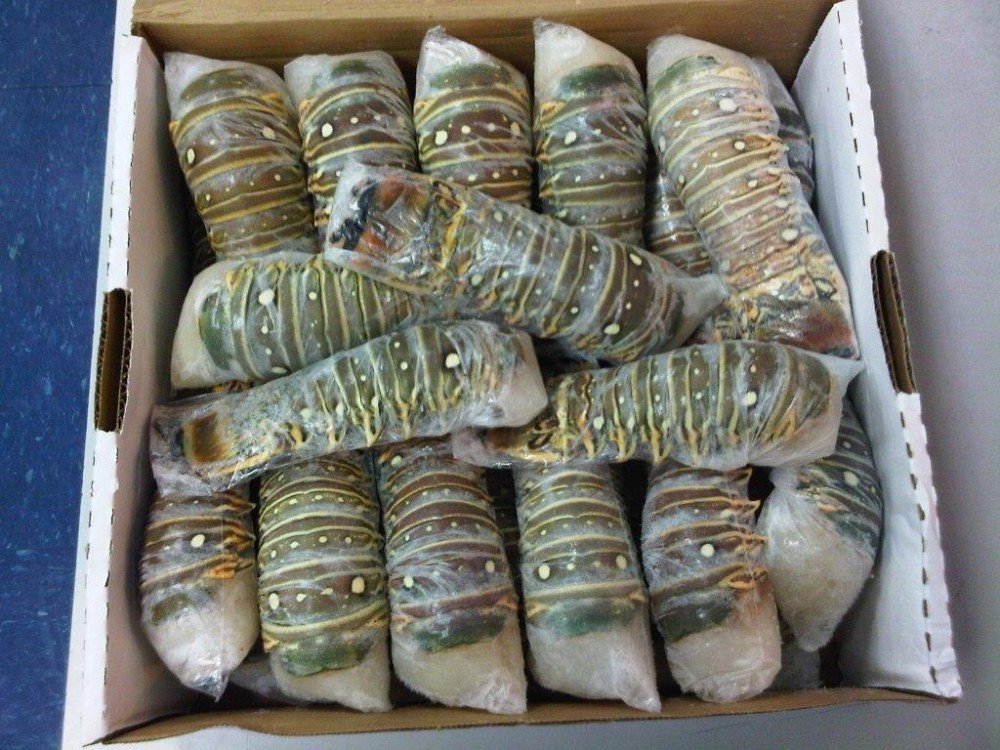
Slipper Lobster Tails for Sale | Wholesale Frozen Slipper Lobster Tails | Bulk Lobster Supplier & Exporter | Villena Seafood
For international seafood buyers, sourcing the right slipper lobster tails requires more than finding a competitive price. Species identification, fishing origin, product format, tail size, processing, freezing method, packaging, traceability, food safety, certification, logistics, and destination-market requirements can all influence the quality and commercial value of a shipment.
Villena Seafood supplies seafood products for professional buyers, including seafood importers, wholesalers, distributors, restaurants, hotels, foodservice companies, supermarkets, seafood processors, catering businesses, and international trading companies.
This comprehensive guide explains the most important considerations when buying slipper lobster tails for sale wholesale, with practical information for businesses evaluating suppliers, specifications, pricing, packaging, quality, and international shipping.
Whether you are searching for wholesale slipper lobster tails, frozen slipper lobster tails, bulk lobster tails, slipper lobster suppliers, slipper lobster exporters, or commercial lobster tails for restaurants, this guide will help you understand the key factors involved in professional procurement.
What Are Slipper Lobster Tails?
Slipper lobsters are marine crustaceans belonging to the family Scyllaridae.
They are easily distinguished from conventional clawed lobsters by their broad, flattened antennae and characteristic body shape. Depending on the region and species, slipper lobsters may also be known by names such as flathead lobster, shovel-nosed lobster, or slipper lobster.
For commercial seafood buyers, the tail is an important edible portion.
Slipper lobster tail meat is generally valued for its:
- Firm texture
- Delicate flavor
- Naturally sweet taste
- Attractive appearance
- Versatility
- Premium seafood positioning
However, “slipper lobster” is a broad commercial category rather than one single species. Species and scientific names can vary by fishing region and product.
Commonly encountered slipper lobster genera include Scyllarides, Thenus, and Ibacus.
Therefore, an international buyer should always request the scientific name and origin of the product being offered.
Why Buy Slipper Lobster Tails Wholesale?
Wholesale slipper lobster tails are attractive to businesses because they can provide a premium seafood product suitable for numerous culinary and commercial applications.
Unlike purchasing whole crustaceans, lobster-tail products can focus on the principal edible portion.
This can be advantageous for:
- Restaurants
- Hotels
- Resorts
- Catering companies
- Seafood distributors
- Supermarkets
- Foodservice operators
- Food manufacturers
- Seafood processors
For commercial kitchens, the tail format can simplify menu preparation and portion planning.
For importers, frozen slipper lobster tails can provide a practical way to maintain inventory for distribution to downstream customers.
Frozen Slipper Lobster Tails for Sale
Frozen slipper lobster tails are particularly suitable for international seafood trade.
International shipments can involve long transportation periods, making frozen products attractive for importers that have appropriate cold-storage facilities.
A typical frozen seafood supply chain may involve:
Harvest → Processing → Freezing → Frozen Storage → Reefer Loading → Export Port → Ocean Freight → Destination Port → Import Warehouse → Distributor → Customer
The product must remain within the appropriate frozen-chain conditions throughout transportation and storage.
Frozen slipper lobster tails can be suitable for:
- Wholesale seafood distributors
- International importers
- Restaurant groups
- Hotels
- Retail chains
- Foodservice companies
- Food manufacturers
The exact freezing method should be confirmed before purchasing.
IQF Slipper Lobster Tails
One important commercial format is IQF, or Individually Quick Frozen, slipper lobster tails.
In an IQF format, individual pieces are frozen separately rather than forming a single frozen block.
This can offer practical benefits for commercial users.
Advantages can include:
Portion flexibility: Operators can select individual lobster tails according to demand.
Inventory control: Businesses can manage quantities more efficiently.
Reduced unnecessary thawing: Only the required amount can be removed from frozen storage.
Foodservice convenience: Individual units can simplify kitchen planning.
Retail suitability: Individually frozen products can be convenient for certain retail formats.
However, IQF specifications can differ between suppliers.
Buyers should confirm the actual freezing process, product temperature, glazing, packaging, and storage requirements.
Raw vs Cooked Slipper Lobster Tails
Buyers should clearly specify whether they require raw or cooked lobster tails.
Raw Slipper Lobster Tails
Raw tails are suitable for professional kitchens and food manufacturers that want to prepare the product themselves.
They can be used for:
- Grilling
- Baking
- Steaming
- Broiling
- Boiling
- Other suitable cooking applications
Raw products provide chefs with greater control over the final preparation.
Cooked Slipper Lobster Tails
Cooked lobster tails may provide additional convenience for foodservice and prepared-food applications.
They can be used in:
- Seafood salads
- Seafood platters
- Appetizers
- Cold seafood preparations
- Ready-to-use dishes
- Value-added seafood products
The appropriate format depends on the buyer’s operation.
How to Choose the Right Slipper Lobster Tail Size
Size is one of the most important factors when purchasing lobster tails wholesale.
Commercial buyers may specify size based on:
- Tail weight
- Number of tails per kilogram
- Number of tails per pound
- Weight ranges
- Commercial grading categories
For example, a buyer might request tails within a particular weight range such as:
- 100–150 g
- 150–200 g
- 200–250 g
- 250–300 g
- 300–400 g
- 400–500 g
- 500 g+
These ranges are illustrative rather than guaranteed product specifications.
The actual available size range depends on the species, fishery, season, harvest, processing and inventory.
Why Tail Size Matters to Restaurants
Restaurants need consistent portion sizes for menu costing and presentation.
If lobster tails vary significantly in size, cooking times and portion sizes can become less predictable.
Consistent grading can help restaurants with:
- Portion control
- Menu costing
- Cooking consistency
- Plate presentation
- Inventory planning
- Food-cost management
For this reason, restaurant buyers should specify the required tail weight or grading range when requesting a quotation.
How to Evaluate Slipper Lobster Tail Quality
Price is important, but it should never be the only factor considered when comparing wholesale lobster suppliers.
Professional buyers should evaluate several quality parameters.
1. Species
Confirm the scientific name.
Different species can vary in size, appearance, meat characteristics, availability and market value.
2. Origin
Confirm the country and fishing area where applicable.
3. Product Condition
Establish whether the product is:
- Fresh
- Frozen
- Raw
- Cooked
- IQF
- Block frozen
4. Tail Size
Confirm the actual tail weight or grading.
5. Meat Condition
Check the agreed requirements for appearance, texture and quality.
6. Glazing
For frozen products, understand the agreed glazing percentage and net product weight.
7. Packaging
Confirm carton size, inner packaging, labeling and pallet configuration.
8. Shelf Life
Check the production date and remaining shelf life at shipment.
9. Traceability
Confirm that appropriate lot and supply-chain information is available.
10. Documentation
Ensure the required commercial and regulatory documentation is available for your market.
Slipper Lobster Tail Specifications
The following table provides a general wholesale specification framework. Exact specifications must be confirmed against the actual product, species, origin, production batch and buyer agreement.
| Specification | Wholesale Product Details |
|---|---|
| Product | Slipper Lobster Tails |
| Common Name | Slipper Lobster / Flathead Lobster |
| Scientific Name | Species-dependent |
| Family | Scyllaridae |
| Genera | May include Scyllarides, Thenus, Ibacus |
| Product Form | Lobster Tail |
| Condition | Fresh or Frozen |
| Processing | Whole Tail / Tail Meat depending on specification |
| Raw/Cooked | Raw or Cooked |
| Shell | Shell-on unless otherwise specified |
| Freezing | IQF or other agreed freezing method |
| Size | Various commercial sizes |
| Grading | Tail weight/count |
| Glazing | According to agreed specification |
| Flesh | Species-dependent natural color |
| Flavor | Mild, delicate and naturally sweet |
| Texture | Firm and succulent |
| Storage | Frozen at approximately -18°C or below where applicable |
| Shelf Life | Subject to product specification |
| Packaging | Export-grade foodservice packaging |
| Net Weight | According to agreed specification |
| Gross Weight | According to packing configuration |
| Origin | Confirmed per product/lot |
| Fishing Area | Confirmed according to product |
| Traceability | Product/lot specific |
| Certifications | Subject to product, facility and market |
| Documentation | Applicable export/commercial documents |
| MOQ | Subject to product and shipment |
| Shipment | Reefer container where applicable |
| Incoterms | FOB, CIF or other agreed terms |
| Target Buyers | Importers, wholesalers, restaurants, foodservice and retail |
| Availability | Subject to stock, season and production |
Understanding Glazing on Frozen Lobster Tails
Glazing is an important consideration when buying frozen seafood.
A protective layer of ice may be applied to frozen seafood to help protect the product from dehydration and freezer-related deterioration.
However, glazing affects the relationship between gross and net weight.
Suppose two suppliers offer lobster tails in cartons with identical gross weight.
If one product has a higher glazing percentage, the actual amount of lobster may be different.
Therefore, professional buyers should compare:
Net product weight rather than gross carton weight.
When requesting a quotation, ask for:
- Gross weight
- Net weight
- Glazing percentage
- Carton weight
- Number of tails per carton
This allows more accurate supplier comparisons.
Packaging of Wholesale Slipper Lobster Tails
Packaging depends on the market and buyer’s requirements.
Possible formats include:
- Vacuum packs
- Foodservice bags
- Inner cartons
- Master cartons
- Bulk export cartons
- Retail-ready packaging
For large international shipments, buyers should request a complete packing specification.
Important details include:
- Tails per carton
- Bags per carton
- Net weight
- Gross weight
- Carton dimensions
- Cartons per pallet
- Pallet dimensions
- Pallet weight
- Container loading configuration
The final packing configuration depends on the selected product and packaging specification.
Slipper Lobster Tails for Restaurants
Restaurants can use slipper lobster tails in numerous premium seafood dishes.
Grilled Lobster Tails
Grilled lobster tails can be served with herbs, citrus, butter-based sauces, vegetables and other seafood accompaniments.
Baked Lobster Tails
Baked lobster can be incorporated into premium main courses and banquet menus.
Steamed Lobster
Steaming can be used as a straightforward preparation method.
Seafood Platters
Lobster tails can add premium positioning to mixed seafood platters.
Appetizers
Smaller portions can be incorporated into seafood starters.
Catering Menus
Lobster tails can be suitable for weddings, banquets, corporate functions and special events.
Slipper Lobster Tails for Hotels and Resorts
Hospitality businesses often require seafood that offers premium presentation while remaining manageable in commercial kitchens.
Slipper lobster tails can be used for:
- Hotel restaurants
- Resort restaurants
- Seafood buffets
- Banquets
- Wedding menus
- Corporate events
- Holiday dining
- Fine-dining menus
Frozen supply can also help hotels maintain inventory for planned events and periods of increased demand.
Bulk Slipper Lobster Tails for Seafood Distributors
Seafood distributors can incorporate slipper lobster tails into their premium seafood portfolio.
Their customers may include:
- Restaurants
- Hotels
- Catering companies
- Retail seafood stores
- Supermarkets
- Hospitality businesses
For distributors, important procurement criteria include:
Product consistency + reliable supply + competitive pricing + documentation + packaging + logistics.
A professional supplier should be able to clearly explain the product specification before shipment.
Slipper Lobster Tails for Supermarkets
Retail buyers can position slipper lobster tails as a premium frozen seafood product.
Potential retail applications include:
- Frozen seafood packs
- Special occasion seafood
- Holiday promotions
- Premium seafood selections
- Ready-to-cook lobster products
Retail labeling requirements vary between countries.
Depending on the market, labels may need to communicate:
- Product name
- Species
- Scientific name
- Country of origin
- Production method where applicable
- Net weight
- Storage instructions
- Date marking
- Allergen information
- Lot information
Importers should verify all applicable requirements before placing an order.
Slipper Lobster Tails for Food Manufacturers
Food manufacturers may use slipper lobster meat in value-added products.
Potential applications include:
- Seafood appetizers
- Premium frozen meals
- Lobster salads
- Seafood pasta
- Lobster fillings
- Seafood sauces
- Ready-to-cook meals
- Prepared seafood products
Industrial buyers may require additional specifications, such as:
- Tail weight
- Meat yield
- Trim
- Moisture
- Glazing
- Microbiological specifications
- Packaging
- Production tolerances
These requirements should be established before production or shipment.
Fresh vs Frozen Slipper Lobster Tails
Which is better: fresh or frozen?
There is no universal answer.
| Factor | Fresh Slipper Lobster Tails | Frozen Slipper Lobster Tails |
|---|---|---|
| Distribution | Short and time-sensitive | More flexible |
| Storage | Chilled | Frozen |
| Shelf Life | Shorter | Generally longer |
| International Shipping | More demanding | Well suited to global distribution |
| Inventory Planning | Requires fast turnover | Easier stock management |
| Foodservice | Suitable for fresh-market operations | Suitable for planned inventory |
| Retail | Chilled seafood | Frozen seafood |
| Logistics | Rapid transportation required | Reefer logistics |
Fresh product can be attractive when the buyer is located close to the source or has an efficient chilled distribution network.
Frozen product is often more practical for international trade.
How Is Slipper Lobster Prepared for Export?
Commercial processing can involve several stages.
Depending on the product, processing may include:
- Raw material reception
- Species and quality inspection
- Sorting and grading
- Processing
- Tail separation where applicable
- Cleaning
- Inspection
- Freezing
- Glazing where applicable
- Packaging
- Labeling
- Frozen storage
- Export preparation
Exact procedures depend on the processing facility and product specification.
For professional buyers, understanding the processing method is important because it directly affects the finished product.
Food Safety When Buying Slipper Lobster Tails
Crustacean products require appropriate food-safety controls throughout the supply chain.
Professional buyers should evaluate:
- Raw material sourcing
- Hygienic processing
- Temperature control
- Sanitation
- Microbiological controls
- Traceability
- Packaging
- Labeling
- Storage
- Transportation
- Export documentation
Crustaceans are also recognized as food allergens in many markets.
Importers and food businesses should ensure that their labeling and handling procedures comply with the laws applicable in their destination market.
Responsible Slipper Lobster Sourcing
Sustainability and responsible sourcing are increasingly important in international seafood procurement.
Buyers may request information concerning:
- Fishing area
- Legal harvest
- Fisheries management
- Traceability
- Processing facility
- Sustainability certification
- Chain of custody
- Environmental standards
Certification is product-specific.
A supplier should not be assumed to have a particular certification for every lobster product simply because that certification exists somewhere within the seafood industry.
Buyers should request actual product-specific documentation where certification is required.
Slipper Lobster Tail Traceability
Traceability allows buyers to understand where their seafood originated and how it moved through the supply chain.
Depending on the product and market, traceability information can cover:
Fishing Area → Landing → Processing → Freezing → Storage → Export → Import
For international buyers, traceability can support:
- Regulatory compliance
- Food safety
- Product recalls where necessary
- Sustainability requirements
- Inventory management
- Customer confidence
Professional seafood procurement should therefore prioritize suppliers capable of providing appropriate traceability information.
How to Compare Slipper Lobster Tail Suppliers
When comparing two or more suppliers, avoid focusing only on price.
Create a comparison based on:
Product
Is the species identical?
Size
Are the tail-weight ranges comparable?
Processing
Are both products raw or cooked?
Freezing
Are the freezing methods equivalent?
Glazing
Are the glazing specifications comparable?
Packaging
Are carton sizes and net weights identical?
Origin
Are the fishing areas and processing countries equivalent?
Certification
Are the required certifications available for the actual product?
Logistics
Are freight and Incoterms comparable?
Documentation
Does each supplier provide the required export documents?
Supply Reliability
Can the supplier support future orders?
This approach provides a much more meaningful comparison than simply comparing the price per carton.
Wholesale Slipper Lobster Tail Pricing
Wholesale prices can change frequently.
Factors affecting the price include:
- Species
- Fishing area
- Season
- Availability
- Tail size
- Grade
- Raw/cooked status
- Fresh/frozen format
- IQF processing
- Glazing
- Packaging
- Order quantity
- Freight
- Destination
- Exchange rates
- Import duties
- Market demand
Therefore, there is no single universal wholesale price for slipper lobster tails.
For the most accurate quotation, buyers should provide their exact specification and destination.
How to Calculate the Real Cost of Imported Lobster Tails
The quoted product price is only one component of the final cost.
A buyer should consider:
Product Cost + Inland Transport + Export Costs + Freight + Insurance Where Applicable + Import Duties + Port Charges + Customs + Local Delivery + Cold Storage
This is known as the landed cost.
When comparing suppliers from different countries, calculating the estimated landed cost can provide a more meaningful basis for purchasing decisions.
Shipping Wholesale Slipper Lobster Tails Internationally
Frozen slipper lobster tails are generally transported through temperature-controlled logistics.
For large B2B orders, reefer containers may be used.
Potential commercial Incoterms include:
- FOB
- CIF
- FCA
- EXW
- DAP
The appropriate Incoterm depends on the buyer’s logistics requirements.
When requesting a quotation, provide:
Product: Slipper Lobster Tails
Species: Preferred species
Size: Tail weight/count
Condition: Fresh/Frozen
Processing: Raw/Cooked
Packaging: Required format
Quantity: Cartons/pallets/MT
Destination: Country and port
Incoterm: FOB/CIF/etc.
Shipment Window: Required period
How to Import Slipper Lobster Tails
International buyers should follow a structured procurement process.
Step 1 – Establish Market Requirements
Check the import regulations applicable to your country.
Step 2 – Select the Product
Define species, size, processing, freezing and packaging.
Step 3 – Verify the Supplier
Review product specifications, documentation, certifications and commercial terms.
Step 4 – Request a Quotation
Provide quantity, destination and preferred Incoterm.
Step 5 – Review Documentation
Confirm that the required export and regulatory documents can be supplied.
Step 6 – Confirm the Order
Agree product specification, quantity, price, packaging, shipment schedule and payment terms.
Step 7 – Arrange Logistics
Coordinate reefer transportation and destination customs/import procedures.
Step 8 – Receive and Store
Ensure the destination warehouse is equipped for the product’s required storage conditions.
Common Mistakes When Buying Wholesale Slipper Lobster Tails
Mistake 1: Comparing Only Price
A cheaper product may have a different size, species, glazing percentage or packaging.
Mistake 2: Not Confirming the Scientific Name
“Slipper lobster” can refer to multiple species.
Mistake 3: Ignoring Net Weight
Gross carton weight may include packaging and glazing.
Mistake 4: Not Checking Remaining Shelf Life
A product with limited remaining shelf life may create inventory problems.
Mistake 5: Failing to Confirm Documentation
Import requirements must be established before shipment.
Mistake 6: Not Checking Packaging
Carton configuration affects storage, handling and container utilization.
Mistake 7: Ignoring Cold-Chain Requirements
Temperature management is essential for frozen seafood.
Mistake 8: Not Planning Destination Logistics
Port handling, customs clearance and cold storage should be arranged before arrival.
Why Choose Villena Seafood?
Villena Seafood supports professional buyers seeking international seafood sourcing solutions.
Our B2B approach focuses on:
Product Specification
We understand the importance of clearly defining species, size, condition, processing and packaging.
International Seafood Supply
Our products are intended for professional buyers including importers, wholesalers, distributors, restaurants, retailers and foodservice companies.
Quality-Focused Procurement
Clear specifications help buyers understand exactly what they are purchasing.
Export Documentation
Applicable documentation can be discussed according to the product and destination.
Cold-Chain Logistics
Frozen seafood can be coordinated through appropriate temperature-controlled transportation.
Commercial Communication
We aim to provide buyers with the information required to make informed purchasing decisions.
Wholesale Slipper Lobster Tails Buying Checklist
Before placing an order, international buyers should confirm the following:
☐ Scientific name
☐ Common product name
☐ Country of origin
☐ Fishing area
☐ Product condition
☐ Raw or cooked
☐ Tail format
☐ Tail size
☐ Grading
☐ Glazing percentage
☐ Net weight
☐ Gross weight
☐ Carton configuration
☐ Pallet configuration
☐ Shelf life
☐ Storage temperature
☐ Traceability
☐ Certifications where required
☐ Health/export documentation
☐ Destination import requirements
☐ MOQ
☐ Incoterm
☐ Freight
☐ Shipment schedule
This checklist can help reduce misunderstandings and make supplier comparisons more transparent.
Frequently Asked Questions About Slipper Lobster Tails
What are slipper lobster tails?
Slipper lobster tails are the edible tail portions of slipper lobsters belonging to the family Scyllaridae. They are commercially valued for their firm texture and delicate seafood flavor.
Where can I buy wholesale slipper lobster tails?
International seafood importers, wholesalers, distributors, restaurants and foodservice businesses can contact Villena Seafood regarding available slipper lobster tail specifications and commercial quantities.
Are slipper lobster tails available frozen?
Yes, frozen slipper lobster tails are an important commercial format for international seafood distribution, subject to species and stock availability.
Are slipper lobster tails available fresh?
Fresh products may be available depending on sourcing, season, destination and transportation requirements.
What sizes of slipper lobster tails are available?
Available sizes depend on species and supply. Buyers should specify their desired tail weight or grading range when requesting a quotation.
Can I buy IQF slipper lobster tails?
IQF slipper lobster tails may be available depending on the selected species, processing facility and supply program.
Are slipper lobster tails raw or cooked?
Commercial products can be available in raw or cooked formats depending on the product specification.
How should frozen slipper lobster tails be stored?
Frozen seafood is generally maintained at approximately -18°C or below, subject to the official product specification and applicable requirements.
What affects slipper lobster tail prices?
Species, origin, size, season, availability, processing, freezing, glazing, packaging, quantity, freight and destination can all affect wholesale pricing.
Can restaurants buy slipper lobster tails in bulk?
Yes. Slipper lobster tails can be suitable for restaurants, hotels, resorts, catering companies and foodservice distributors.
Can slipper lobster tails be shipped internationally?
Frozen slipper lobster tails can be transported internationally using appropriate temperature-controlled logistics, subject to destination-market import requirements.
What should I provide when requesting a quotation?
Provide the species, size, condition, processing format, quantity, packaging, destination port and preferred Incoterm.
Final Guide for International Seafood Buyers
Buying slipper lobster tails wholesale successfully requires a complete view of the supply chain.
The best procurement decision is not necessarily the supplier offering the lowest initial price. Instead, buyers should evaluate the complete commercial proposition:
Species + Origin + Quality + Size + Processing + Freezing + Glazing + Packaging + Documentation + Logistics + Price.
For restaurants, hotels and foodservice operators, consistent sizing and convenient formats can simplify menu planning.
For wholesalers and distributors, reliable specifications and supply continuity are critical.
For supermarkets, labeling, packaging, traceability and regulatory compliance become particularly important.
For importers, the complete landed cost, documentation, cold chain and destination requirements should be considered before confirming a purchase.
Villena Seafood works with professional seafood buyers seeking wholesale slipper lobster tails, frozen lobster products and international seafood sourcing solutions.
If you are looking for slipper lobster tails for sale in bulk, provide your required species, tail size, product format, quantity, destination port and preferred Incoterm to request current product availability and a commercial quotation.
Villena Seafood – Wholesale Frozen Seafood Supplier for International Buyers