
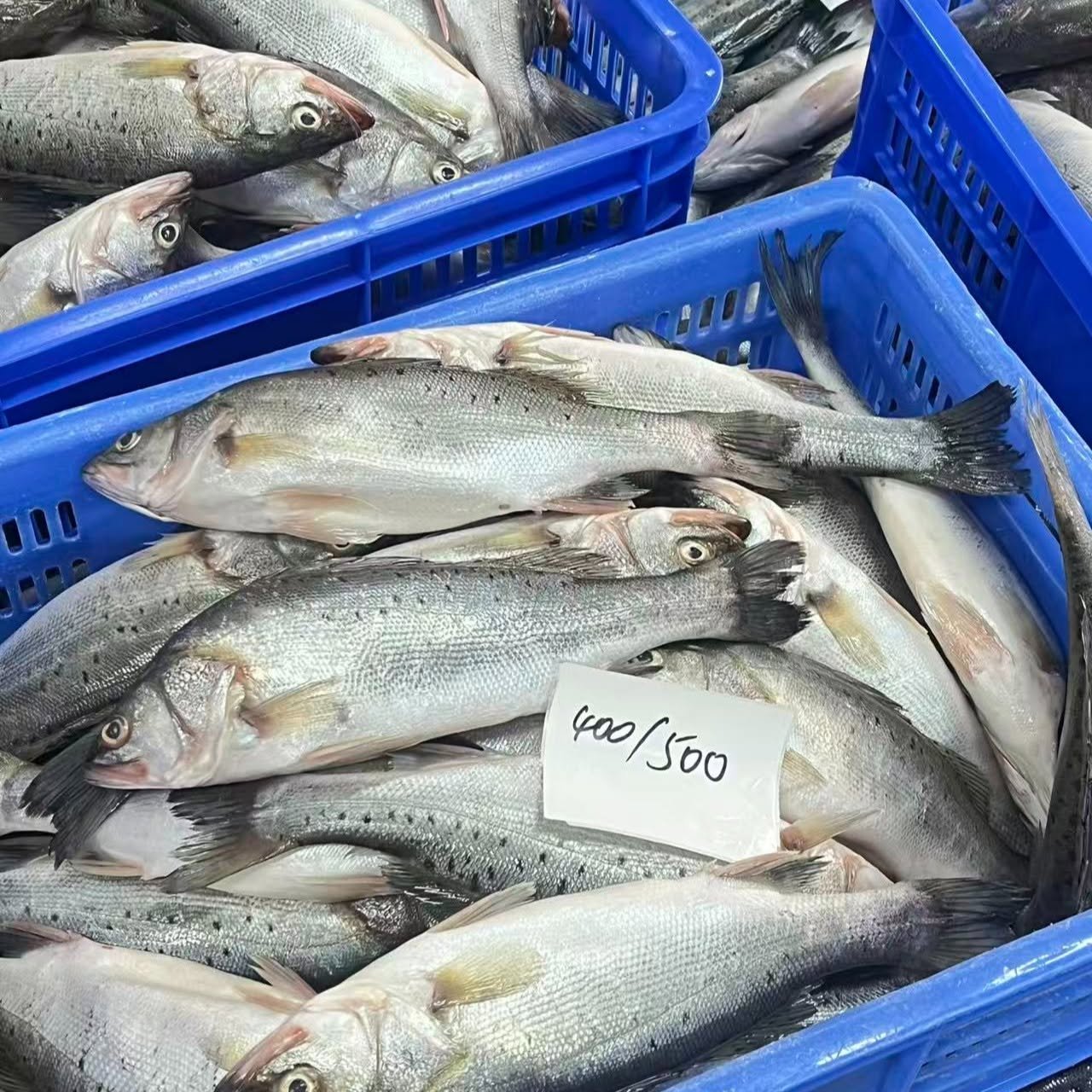
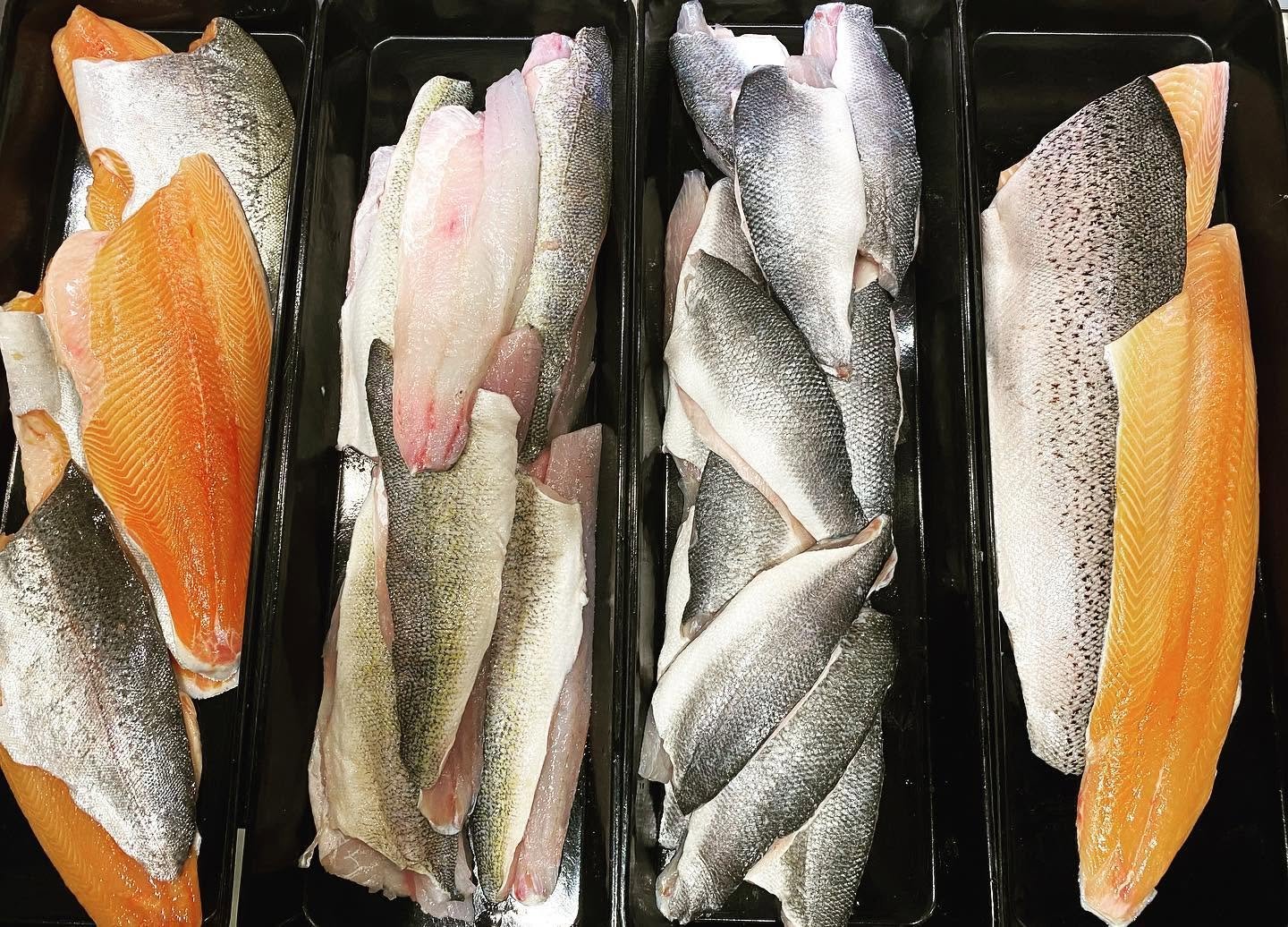
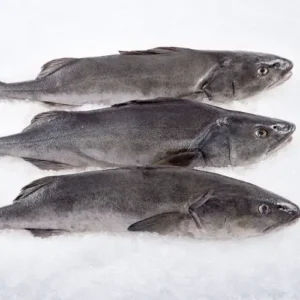
Wholesale Frozen European Seabass for Sale – Premium Dicentrarchus labrax
Frozen European Seabass Supplier & Exporter for International Buyers
Villena Seafood supplies wholesale Frozen European Seabass (Dicentrarchus labrax) for importers, seafood wholesalers, distributors, retailers, restaurants, hotels, foodservice companies, and international seafood traders.
European seabass is a commercially important marine fish known in different markets as European sea bass, European seabass, Mediterranean seabass, Branzino, Loup de Mer, Lavraki, Lubina, Robalo, Spigola and Bar Commun. The European Commission’s commercial-names database identifies Dicentrarchus labrax as the scientific species name and lists these regional commercial names.
Villena Seafood focuses on B2B seafood sourcing and export, offering product specifications that can be discussed according to the buyer’s required size, presentation, processing format, packaging, quantity and destination.
Whether you are sourcing whole frozen seabass for wholesale distribution or seabass fillets for professional kitchens and foodservice, a clearly defined product specification helps ensure that the quotation matches the intended market.
European Seabass (Dicentrarchus labrax)
European seabass belongs to the family Moronidae and is widely associated with European and Mediterranean seafood markets.
Its scientific name is:
Dicentrarchus labrax (Linnaeus, 1758)
The FAO three-letter species code is BSS.
The species occurs in marine and coastal environments and is commercially supplied through both fisheries and aquaculture. The European Commission lists both caught and farmed production methods for Dicentrarchus labrax.
European seabass is also an established aquaculture species in the Mediterranean and Black Sea region, according to the FAO General Fisheries Commission for the Mediterranean.
For wholesale buyers, this means it is important to specify whether the requirement is for farmed European seabass, wild European seabass, or a particular origin, because product specifications and commercial requirements can differ.
Why Buy Frozen European Seabass Wholesale?
Frozen European seabass is an important option for buyers requiring a practical format for international seafood distribution.
Compared with purchasing only fresh fish, frozen seafood can be incorporated into planned cold-chain logistics and commercial inventory programs.
Wholesale frozen European seabass can be suitable for:
- Seafood importers
- Seafood wholesalers
- Foodservice distributors
- Supermarket suppliers
- Restaurant groups
- Hotels
- Catering companies
- Fish distributors
- Seafood processors
- International trading companies
- Food manufacturers
- Retail seafood businesses
The appropriate specification depends on the buyer’s market and intended application.
A restaurant may require premium whole fish or ready-to-cook fillets, while a wholesaler may prefer bulk-packed whole seabass in several weight categories.
European Seabass Product Specifications
The following table provides a practical commercial specification framework. Exact sizes, processing options, packaging, origin and availability should be confirmed with Villena Seafood before ordering.
| Specification | Commercial Options |
|---|---|
| Product | Frozen European Seabass |
| Scientific name | Dicentrarchus labrax |
| FAO code | BSS |
| Product state | Frozen |
| Production | Farmed or wild, subject to availability |
| Whole fish | Whole round |
| Gutted | WG |
| Gutted & descaled | WGD |
| Gutted, gilled & descaled | WGGD |
| Fillets | PBI / PBO / other agreed specification |
| Fillet processing | Pin-bone-in, pin-bone-out, butterfly, canoe |
| Whole sizes | 300–400 g, 400–600 g, 600–800 g, 800–1000 g, 1000–1500 g and other commercial ranges |
| Larger whole sizes | 1400–1800 g, 1800–2600 g, 2600–3500 g, 3500–4500 g, subject to availability |
| Fillet sizes | 60–80 g, 80–100 g, 100–140 g, 140–180 g, 180–240 g, 240+ g |
| Alternative fillet sizes | 80–120 g, 120–160 g, 160–200 g, 200–250 g, 250–300 g, depending on supplier specification |
| Freezing | IQF / other agreed frozen format |
| Packaging | Export carton, retail or foodservice formats subject to specification |
| Storage | Frozen cold-chain storage |
| MOQ | Subject to product, packaging and shipment |
| Shipping | FOB / CFR / CIF or agreed commercial terms |
| Destination | International markets |
| Documentation | Subject to origin, product and destination requirements |
Whole Frozen European Seabass
Whole frozen European seabass is a popular format for professional seafood buyers who require flexibility in preparation, distribution and retail presentation.
Commercial whole-fish specifications may include:
- Whole round
- Gutted
- Gutted and descaled
- Gutted, gilled and descaled
These processing formats are commonly used in the European seabass trade.
Whole seabass can be suitable for:
- Fish wholesalers
- Supermarket seafood departments
- Restaurants
- Hotels
- Catering
- Foodservice distributors
- Seafood retailers
- Processing businesses
Buyers should specify whether they require whole round, gutted, scaled or another presentation when requesting a quotation.
Frozen European Seabass Fillets
For foodservice and professional kitchens, frozen seabass fillets can provide a convenient alternative to whole fish.
Commercial fillet specifications can vary according to:
- Fillet weight
- Pin-bone status
- Skin status
- Trimming specification
- Packing format
- Freezing method
- Intended market
Commercially listed European seabass fillet categories include 60–80 g, 80–100 g, 100–140 g, 140–180 g, 180–240 g and 240+ g. Other suppliers list ranges including 80–120 g, 120–160 g, 160–200 g, 200–250 g and 250–300 g. These should be treated as examples of market specifications rather than guaranteed Villena inventory.
European Seabass Fillet Types
Pin-Bone-In Fillets
PBI, or pin-bone-in, fillets retain the pin bones and may be suitable for certain processing and foodservice applications.
Pin-Bone-Out Fillets
PBO, or pin-bone-out, fillets are processed to remove the pin bones and can provide additional convenience for professional kitchens.
Commercial product catalogs also describe PBO seabass fillets as “flicked.”
Butterfly Fillets
Butterfly processing creates a connected fillet presentation and can be requested for particular foodservice or retail applications.
Canoe Fillets
Canoe-style processing is another commercially available presentation for seabass in some supply chains.
The availability of each format should be confirmed when requesting a quotation.
European Seabass Fillet Size Guide
Selecting the correct fillet size is important for foodservice and retail buyers.
| Fillet Size | Potential Commercial Application |
|---|---|
| 60–80 g | Smaller portions/foodservice |
| 80–100 g | Portion-controlled foodservice |
| 80–120 g | Foodservice/retail |
| 100–140 g | Standard meal portions |
| 120–160 g | Foodservice/premium portions |
| 140–180 g | Larger restaurant portions |
| 160–200 g | Foodservice |
| 180–240 g | Larger premium portions |
| 200–250 g | Large portions |
| 240+ g | Premium/large fillet requirements |
| 250–300 g | Large foodservice or retail portions |
European Seabass Whole Fish Size Guide
Whole European seabass is commonly traded according to individual fish weight.
Commercial examples include:
| Whole Fish Size | Description |
|---|---|
| 300–400 g | Portion-size seabass |
| 400–600 g | Medium whole fish |
| 600–800 g | Larger whole fish |
| 800–1000 g | Large whole fish |
| 1000–1500 g | Premium large fish |
| 1400–1800 g | Extra-large fish |
| 1800–2600 g | Large commercial specification |
| 2600–3500 g | Extra-large specification |
| 3500–4500 g | Very large fish |
These ranges reflect commercially documented European seabass specifications; availability can vary by season, production source and supplier.
Farmed European Seabass
Farmed European seabass is an established aquaculture product, particularly in Mediterranean production systems.
FAO identifies Dicentrarchus labrax among the cultured aquatic species of the Mediterranean and Black Sea region.
Farmed seabass can provide commercial buyers with standardized production and size categories suitable for wholesale distribution.
European market documentation identifies common farmed commercial categories including fish below 400 g, 400–600 g, 600–800 g, 800–1000 g and fish above 1 kg.
When purchasing farmed seabass, buyers should confirm:
- Country of origin
- Aquaculture origin
- Size
- Processing format
- Production and packing information
- Certifications, if required
- Available documentation
- Storage requirements
Wild European Seabass
European seabass is also commercially caught.
The European Commission lists several fishing gears associated with the species, including gillnets, hooks and lines, seines and trawls.
Wild seabass is subject to applicable fisheries management requirements, which can vary according to fishing area.
For buyers sourcing wild European seabass, the quotation should clearly identify:
- Fishing origin or area where applicable
- Catch documentation where required
- Product presentation
- Size
- Quantity
- Applicable regulatory documentation
This is particularly important for international importers purchasing wild-caught seafood.
Frozen European Seabass for Restaurants
European seabass is widely associated with Mediterranean cuisine and is used across professional foodservice.
Frozen seabass can be suitable for:
- Restaurants
- Hotels
- Resorts
- Catering
- Institutional foodservice
- Seafood restaurants
- Mediterranean restaurants
- Fine-dining operations
Whole seabass can be useful where the restaurant prepares and portions the fish in-house.
Fillets can be more convenient for operations that prioritize consistent portioning and preparation efficiency.
The best format depends on the kitchen’s workflow, menu and purchasing requirements.
European Seabass for Supermarkets and Retail
Retail buyers may require specifications that differ from foodservice customers.
Potential retail formats include:
- Whole cleaned fish
- Individual fillets
- Vacuum-packed fillets
- Retail-ready packaging
- Modified-atmosphere packaging
- Other customer-specific packaging
Commercial suppliers list MAP, IVP and IWP packaging options for seabass fillets, illustrating the range of formats available in the market.
If retail packaging is required, buyers should specify:
- Retail pack weight
- Label language
- Barcode requirements
- Country-of-origin declaration
- Product description
- Storage information
- Private-label requirements
- Applicable regulatory information
Any labeling requirements should be confirmed according to the destination market.
IQF Frozen European Seabass
IQF, or Individually Quick Frozen, is a commercially used freezing format for seabass.
An IQF product allows individual pieces to be separated rather than requiring the entire carton or block to be thawed at once.
This can be useful for:
- Foodservice
- Wholesale distribution
- Retail
- Portion control
- Inventory management
- Professional kitchens
Commercial European seabass suppliers list IQF packaging in formats such as 5 kg, 10 kg and 20 kg cartons, although actual packaging varies by supplier and contract.
Packaging Options for Wholesale European Seabass
Packaging should be agreed before the quotation is finalized.
Potential formats may include:
- 5 kg cartons
- 10 kg cartons
- 20 kg cartons
- Bulk export cartons
- Palletized shipments
- Retail packaging
- Vacuum packaging
- Individually wrapped packs
- Modified-atmosphere packaging
These are examples of commercially used formats, not a guarantee of current Villena Seafood inventory.
For a quotation, specify your preferred:
Net weight + packaging + carton configuration + pallet requirement.
Wholesale European Seabass for International Export
International seafood buyers should provide enough information for an exporter to calculate the appropriate commercial offer.
A strong RFQ might read:
Product: Frozen European Seabass
Scientific name: Dicentrarchus labrax
Origin: Farmed
Presentation: Gutted and descaled
Size: 400–600 g
Packing: 10 kg export cartons
Quantity: 1 × 40ft reefer
Destination: [Port / Country]
Price basis: CIF
Required shipment: [Month]
For fillets:
Product: Frozen European Seabass Fillets
Size: 120–160 g
Processing: PBO
Packing: Individually vacuum packed
Quantity: [Required MT]
Destination: [Port / Country]
Incoterm: CIF
This level of detail helps avoid confusion during the quotation process.
Factors Affecting European Seabass Wholesale Prices
The price of frozen European seabass depends on multiple variables.
Product Origin
Farmed and wild products can have different supply chains and documentation requirements.
Size
Whole-fish and fillet prices can vary according to size.
Processing
Whole, gutted, descaled and filleted products require different processing specifications.
Fillet Yield
Fillet products involve processing and yield considerations that can affect pricing.
Packaging
Bulk cartons, vacuum packs and retail packaging have different costs.
Quantity
A small trial order and full-container shipment may have different commercial structures.
Destination
Freight costs vary between ports and countries.
Season and Supply
Seafood supply and market conditions can change over time.
Recent FAO GLOBEFISH analysis reported relatively tight seabass and seabream supply conditions in early 2026 and prices remaining relatively high across many product sizes.
For this reason, buyers should request a current quotation rather than relying on historical seafood prices.
How to Buy Frozen European Seabass Wholesale
Buying frozen seabass internationally becomes easier when the buyer prepares a complete RFQ.
Step 1: Choose the Product
Specify European seabass and whether you require whole fish or fillets.
Step 2: Confirm the Origin
Specify whether you require farmed or wild product and your preferred country of origin, if applicable.
Step 3: Choose the Size
Provide the required whole-fish weight or fillet weight.
Step 4: Specify Processing
For example:
- Whole
- Gutted
- Gutted and descaled
- Gutted, gilled and descaled
- PBI
- PBO
- Butterfly
- Canoe
Step 5: Confirm Packaging
State your preferred carton, vacuum or retail packaging.
Step 6: Provide Quantity
Specify kilograms, metric tons, pallets or container quantity.
Step 7: Provide Destination
Give the destination port and country.
Step 8: Select Incoterm
Request FOB, CFR, CIF or another agreed commercial basis.
Step 9: Identify Documents
State any specific import or certification requirements.
Step 10: Request a Commercial Quotation
The supplier can then assess availability and prepare an offer based on the required specification.
European Seabass for Foodservice Distribution
Foodservice distributors often require predictable specifications.
A distributor supplying restaurants may request:
- 400–600 g whole seabass
- 600–800 g whole seabass
- 100–140 g fillets
- 140–180 g fillets
- 180–240 g fillets
The appropriate category depends on the customer’s menu and portion requirements.
For large foodservice operations, consistency of specification can be particularly important because portion sizes influence purchasing calculations and menu planning.
European Seabass for Seafood Wholesalers
Wholesale seafood distributors can purchase whole or processed seabass for onward sale.
A wholesaler may require several sizes simultaneously to serve different customer groups.
For example:
| Buyer Segment | Possible Requirement |
|---|---|
| Restaurants | Whole 400–600 g |
| Hotels | Whole 600–800 g |
| Foodservice | 100–140 g fillets |
| Premium restaurants | 180–240 g fillets |
| Retail | Retail-packed fillets |
| Fish wholesalers | Mixed commercial sizes |
Storage and Cold-Chain Considerations
Frozen European seabass should remain within the appropriate frozen cold chain during storage and transportation.
Commercial buyers should confirm the final product’s:
- Storage temperature
- Shelf life
- Production date
- Best-before information
- Packaging configuration
- Glazing specification, where applicable
- Transportation requirements
Product-specific storage and shelf-life information should always come from the final supplier specification and shipping documentation.
Documentation for International European Seabass Shipments
Documentation depends on the product, origin, destination and applicable regulations.
Depending on the transaction, buyers may require:
- Commercial invoice
- Packing list
- Certificate of origin
- Health certificate
- Product specification
- Certificate of analysis where applicable
- Catch certificate for applicable wild-caught products
- Aquaculture documentation where applicable
- Import-specific documentation
Importers should confirm destination-country requirements before placing an order.
For wild European seabass, fisheries documentation can be particularly important because requirements may depend on origin and applicable fisheries regulations.
European Seabass Names Around the World
International buyers may search for European seabass under several different names.
Useful commercial search terms include:
- European seabass
- European sea bass
- Frozen European seabass
- Frozen sea bass
- Mediterranean seabass
- Dicentrarchus labrax
- Branzino
- Loup de Mer
- Lavraki
- Lubina
- Robalo
- Spigola
- Bar Commun
- Sea bass fillets
- Frozen seabass fillets
- Wholesale seabass
- Bulk frozen seabass
- Seabass supplier
- European seabass exporter
The European Commission confirms several of these regional commercial names for Dicentrarchus labrax.
These terms can help international buyers identify the same species across different markets.
Why Source European Seabass from Villena Seafood?
Villena Seafood focuses on international B2B seafood sourcing and export.
For European seabass inquiries, buyers can discuss:
- Whole frozen seabass
- Gutted seabass
- Gutted and descaled seabass
- Fillets
- PBI fillets
- PBO fillets
- Different whole-fish sizes
- Different fillet sizes
- Bulk packaging
- Foodservice packaging
- Retail packaging
- Container-volume orders
- International shipping options
The final quotation is based on the product specification, availability, quantity, destination and agreed commercial terms.
Villena Seafood encourages buyers to provide complete requirements so that available products can be assessed against the requested specification.
Request a Wholesale Frozen European Seabass Quote
If you are looking for frozen European seabass for sale, Villena Seafood can discuss wholesale requirements for international markets.
Send the following information with your inquiry:
Product: European Seabass
Scientific name: Dicentrarchus labrax
Type: Whole/Gutted/Descaled/Fillet
Origin: Farmed/Wild
Size: Required weight range
Fillet specification: PBI/PBO/Butterfly/Canoe
Quantity: kg/MT/pallets/container
Packaging: Required format
Destination: Port/Country
Incoterm: FOB/CFR/CIF
Delivery: Required shipment period
Documents: Required import documentation
A complete RFQ allows the quotation to be prepared around the buyer’s actual requirements.
Contact Villena Seafood
Villena Seafood
Wholesale Seafood Supplier & Exporter
Email: sales@villenaseafood.com
Website: villenaseafood.com
Request a wholesale European seabass quotation with your required size, processing format, quantity and destination.
Frequently Asked Questions About Wholesale European Seabass
What is the scientific name of European seabass?
The scientific name is Dicentrarchus labrax. The FAO species code is BSS.
What is European seabass also called?
European seabass is also known as Branzino, Loup de Mer, Lavraki, Lubina, Robalo, Spigola and Bar Commun in different markets.
Is European seabass farmed or wild?
Both production methods exist. The European Commission lists Dicentrarchus labrax as both caught and farmed, while FAO identifies it as an important cultured species in the Mediterranean and Black Sea region.
What sizes of frozen European seabass are available?
Commercial whole-fish specifications can include 300–400 g, 400–600 g, 600–800 g, 800–1000 g and larger categories. Availability depends on supplier and origin.
What sizes are available for European seabass fillets?
Commercially documented fillet categories include 60–80 g, 80–100 g, 100–140 g, 140–180 g, 180–240 g and 240+ g. Other commercial ranges are also available depending on the supplier.
Can I buy European seabass fillets wholesale?
Yes. European seabass fillets are commercially supplied in different sizes and processing specifications for foodservice, wholesale and retail applications. Buyers should specify their required fillet weight and processing format.
What is PBO seabass?
PBO means pin-bone-out. It refers to seabass fillets processed with the pin bones removed.
What is PBI seabass?
PBI means pin-bone-in, referring to a fillet specification in which the pin bones are retained.
Can I request whole and fillet seabass in the same quotation?
Yes. Buyers can include multiple product specifications in an RFQ. Each product should be listed separately with its required size, processing and quantity.
Can European seabass be supplied in containers?
Frozen European seabass can be considered for commercial refrigerated-container shipments, subject to product availability, packing configuration, order quantity, and destination.
How do I request a wholesale European seabass quotation?
Provide the product format, size, origin preference, quantity, packaging, destination port and preferred Incoterm. Villena Seafood can then review the requirement and provide a quotation based on available specifications.
Wholesale Frozen European Seabass
European seabass is a versatile commercial seafood product with established whole-fish and fillet markets across Europe and international destinations.
For importers and wholesalers, selecting the correct species, origin, size, processing format, packaging and shipping terms is essential to obtaining an appropriate quotation.
Villena Seafood works with international buyers seeking wholesale seafood supply and can discuss European seabass requirements according to the buyer’s target market and purchasing specifications.
Frozen European Seabass | Dicentrarchus labrax | Whole Fish & Fillets | Wholesale & Export
Contact Villena Seafood today with your required size, quantity, specification and destination.
Reviews
There are no reviews yet.