
Buying Dry Stockfish in Bulk for African Markets: A Guide for Wholesalers
Dry stockfish is an important seafood product in many African markets, where dried fish is used in traditional cooking and distributed through wholesale markets, food retailers, and specialist food shops. For importers and wholesalers, purchasing stockfish in bulk can create opportunities to serve established customers, expand distribution networks, and develop long-term seafood supply relationships.
However, successful wholesale purchasing requires more than finding a competitive price. Buyers must consider fish species, product grade, size, packaging, storage conditions, shipping costs, and destination-country import requirements.
At Villena Seafood, we understand the importance of clear product specifications and practical export planning. This guide explains what African wholesalers should consider when sourcing dry stockfish for commercial distribution.
1. Why Is Dry Stockfish Popular in African Markets?
Dried fish is used in a wide variety of traditional dishes across Africa. In markets such as Nigeria and other West African countries, stockfish is commonly associated with soups, stews, and regional recipes.
Its distinctive flavour and dried form make it a familiar ingredient for many consumers. Demand varies by location, product type, household preferences, and local purchasing power.
For wholesalers, understanding the customers they serve is essential. Some buyers prefer larger whole fish, while others seek smaller sizes, particular grades, or specific product presentations suitable for retail distribution.
Stockfish may be sold through:
- Traditional wholesale and open markets.
- African grocery shops and specialist food retailers.
- Supermarkets and independent food stores.
- Seafood distributors and importers.
- Restaurants, caterers, and food-service businesses.
- Regional traders supplying smaller retailers.
Before importing, wholesalers should research local preferences and confirm which product specifications are most suitable for their target customers.
2. Understanding Different Types of Dry Stockfish
Not all dried fish products are the same. Product names are sometimes used differently between suppliers and markets, so importers should confirm the actual species and processing method before placing an order.
Norwegian Dry Stockfish
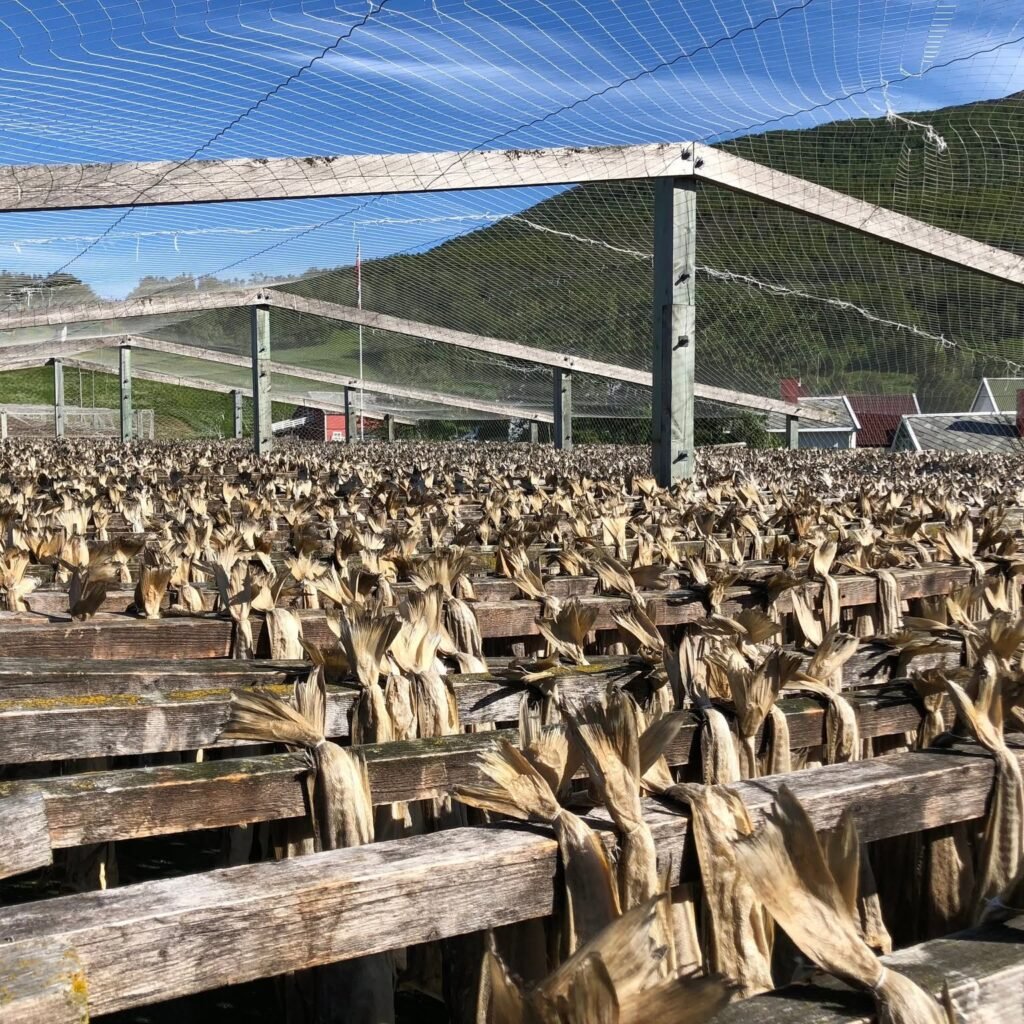
Traditional Norwegian stockfish is generally produced by air-drying fish, commonly cod, without the salting process associated with salted dried fish. It is recognised in international seafood trade and may be suitable for buyers seeking this particular product category.
Dried Fish Heads
Dried fish heads are traded separately in some markets and may serve customers with different culinary preferences and price requirements. Availability, species, quality, and packaging should be confirmed with the supplier.
Different Sizes and Grades
Stockfish can vary considerably in size, weight, physical condition, and commercial grade. These differences influence handling, packaging, buyer preferences, and price.
Wholesalers should request the supplier’s actual size categories and grading criteria rather than relying solely on general product names.
Important: Traditional stockfish, salted dried fish, and other dried seafood products are not interchangeable. Confirm the exact product specification in writing.
3. How to Choose the Right Stockfish for Your Market
Choosing the appropriate product starts with understanding the needs of your customers.
Consider the following factors before requesting a quotation.
Customer preferences: Determine whether your customers prefer whole dried fish, particular size ranges, fish heads, or other available presentations.
Quality expectations: Establish acceptable standards for appearance, physical condition, drying, packaging, and traceability.
Retail requirements: If you supply supermarkets or smaller food shops, confirm the packaging and labelling formats required by those customers.
Price sensitivity: Compare the delivered cost per kilogram rather than looking only at the supplier’s initial price.
Storage facilities: Ensure your warehouse can protect the product from moisture, pests, contamination, and physical damage.
Expected turnover: Estimate how quickly you can sell the imported stock to avoid tying up working capital in inventory for extended periods.
For a first purchase, some wholesalers may prefer a manageable trial quantity before committing to a larger shipment, provided the supplier’s minimum order requirements allow it.
4. What to Check Before Buying Dry Stockfish in Bulk
A well-defined product specification helps prevent misunderstandings and makes quotations easier to compare.
| Specification | What the buyer should confirm |
|---|---|
| Species | Exact fish species and commercial name |
| Origin | Country of origin and supporting documentation |
| Product form | Whole dried fish, heads, or another specified presentation |
| Size and grade | Available size ranges and grading method |
| Product condition | Agreed quality criteria and acceptable physical condition |
| Packaging | Bags, bundles, cartons, or other available formats |
| Net weight | Declared product weight and packaging basis |
| Storage | Recommended storage conditions |
| Shelf life | Manufacturer’s or supplier’s declared shelf life |
| Documentation | Applicable health, origin, and traceability records |
Ask for current product photographs and, where practical, samples that represent the grade being offered. Photographs can assist with preliminary evaluation, but they do not replace physical inspection or appropriate food-safety documentation.
For repeat orders, written specifications can help both parties maintain greater consistency between shipments.
5. Packaging and Bulk Order Planning
Packaging plays an important role in protecting dry stockfish during handling, warehousing, and international transport.
Depending on the supplier’s available formats, the product may be packed in bundles, bags, cartons, or other suitable commercial packaging.
Before confirming an order, establish:
- Net weight per package or bundle.
- Number of packages per carton, if applicable.
- Carton dimensions and gross weight.
- Packaging material and moisture protection.
- Palletisation requirements.
- Total shipment volume and weight.
- Loading arrangements and transport suitability.
- Required product and traceability labels.
For container shipments, work with the supplier and freight forwarder to establish a realistic loading plan. Actual capacity depends on package dimensions, cargo weight, container specifications, and any applicable transport restrictions.
Do not calculate shipment quantities using an assumed standard carton weight or loading configuration without confirming the supplier’s packaging details.
6. How to Calculate the Landed Cost of Imported Stockfish
One of the most important tasks for a wholesaler is determining the full cost of getting the product to the intended market.
The supplier’s quoted price may cover only part of the total purchasing and logistics expense.
A typical landed-cost calculation considers:
- Product purchase price.
- Inland transportation to the export point, where applicable.
- Export handling and documentation charges.
- International freight.
- Cargo insurance, where applicable.
- Destination port and handling charges.
- Customs duties and import taxes.
- Inspection or clearance fees.
- Local transportation to the warehouse.
- Storage and distribution costs.
The exact costs depend on the shipment, origin, destination, and agreed Incoterms.
7. Shipping Dry Stockfish to African Markets
Shipping arrangements depend on the country, port, shipment volume, packaging, and commercial agreement.
For larger wholesale orders, sea freight may be suitable. Smaller trial purchases may require different logistics arrangements, depending on the supplier’s minimum order quantity and available services.
When planning a shipment, confirm:
Export readiness: Establish whether the product is available, properly packed, and supported by the required documentation.
Transport conditions: Dry stockfish generally does not require frozen transport, but the cargo must be protected from moisture, condensation, contamination, and damage.
Transit time: Request an estimated transit time from the freight forwarder and allow for possible port congestion, inspections, and customs clearance.
Container suitability: Confirm that the container is clean, dry, free from undesirable odours, and appropriate for the cargo.
Destination handling: Check whether the receiving port and warehouse can handle the shipment efficiently.
Insurance and responsibilities: Establish who is responsible for freight, insurance, export clearance, import clearance, and other costs under the agreed Incoterm.
A clear logistics plan helps importers estimate costs, organise warehouse capacity, and coordinate distribution after arrival.
8. Import Documentation and Regulations
African countries have different rules for importing fish and fishery products. Requirements may depend on the species, product form, country of origin, processing establishment, and intended use.
Before ordering, buyers should verify the applicable requirements with the destination country’s competent authorities and a qualified customs broker.
Documents or approvals may include:
- Commercial invoice.
- Packing list.
- Bill of lading or other relevant transport document.
- Certificate of origin, where required.
- Applicable health certificate or official fishery-product documentation.
- Import permit or product registration, where required.
- Establishment approval, where applicable.
- Product labels and traceability information.
- Customs classification and supporting declarations.
For example, importers supplying the Nigerian market should check current requirements with the relevant Nigerian authorities before arranging shipment. Requirements for Nigeria should not automatically be assumed to apply to Ghana, Cameroon, Côte d’Ivoire, Senegal, or other African destinations.
Norwegian origin alone does not guarantee that a particular product or establishment is approved for every destination. Confirm import eligibility and documentation before making a purchase commitment.
9. How to Store Dry Stockfish After Arrival
Correct storage helps protect product quality and reduce avoidable losses.
Keep the Warehouse Dry
Store packages in a dry, clean environment protected from rain, leaks, and condensation. Avoid placing goods directly on damp floors.
Maintain Good Warehouse Hygiene
Use suitable cleaning and pest-control procedures. Keep products protected from contamination, strong odours, and chemicals.
Control Moisture Exposure
Humidity and moisture can compromise dried fish. Follow the supplier’s storage instructions and monitor warehouse conditions, particularly during humid or rainy seasons.
Inspect Incoming Shipments
Check package integrity, product condition, labelling, and delivered quantities. Document any discrepancies promptly and follow the agreed inspection and claims procedure.
Use Appropriate Stock Rotation
Maintain records of receipt dates, lot identification, and supplier-declared shelf life. Use a suitable stock-rotation system to help prevent avoidable deterioration and outdated inventory.
A warehouse storage plan should be in place before the shipment arrives, especially when buying larger volumes.
10. How to Find a Reliable Dry Stockfish Wholesale Supplier
The right supplier should be able to explain the product clearly and provide a commercially workable offer.
Before placing an order, consider these points:
Product transparency: Can the supplier identify the species, origin, grade, and packaging?
Documentation: Can the supplier confirm which export and traceability documents are available?
Consistent specifications: Are the quality criteria clear enough to compare future shipments?
Commercial terms: Are price, quantity, payment terms, delivery terms, and quotation validity documented?
Logistics planning: Can the supplier coordinate with the freight forwarder and provide the information needed for shipment planning?
Communication: Are questions answered clearly and in a timely manner?
Risk management: Are inspection arrangements, discrepancy procedures, and responsibilities established before payment and shipment?
For first-time transactions, buyers should carry out appropriate supplier due diligence and agree on clear contractual terms.
11. Common Mistakes to Avoid When Buying Stockfish in Bulk
Wholesale buyers can reduce purchasing risks by avoiding several common mistakes.
- Choosing only by price: A cheaper product may have a different species, grade, size, or packaging specification.
- Ignoring freight and import costs: The quoted product price may not reflect the final landed cost.
- Assuming all stockfish is the same: Products may differ in species, drying method, grade, and physical condition.
- Failing to confirm documentation: Missing or unsuitable documents can delay or prevent import clearance.
- Underestimating storage needs: Dry fish still requires protection against moisture and pests.
- Ordering more than the market can absorb: Excess inventory can tie up capital and increase storage risks.
- Leaving quality expectations undefined: Unclear specifications make disputes more difficult to resolve.
Careful planning and written agreements help importers make informed purchasing decisions and establish more dependable supply arrangements.
12. Request a Bulk Dry Stockfish Quotation from Villena Seafood
If you are a seafood importer, wholesaler, distributor, or food-service buyer looking to source dry stockfish, Villena Seafood welcomes enquiries about potential wholesale supply opportunities.
To help us assess your requirements, please provide:
- Destination country and port: Where the goods will be delivered.
- Required quantity: Your estimated order volume in kilograms or metric tonnes.
- Product specification: Preferred species, sizes, grades, and product presentation.
- Packaging preference: Required package weight and packaging format.
- Delivery terms: Your preferred Incoterm and named port or destination.
- Target delivery date: Your expected purchasing schedule.
- Documentation requirements: Any specific import documents required by your market.
With this information, product availability and suitable commercial terms can be assessed for your enquiry.
Whether you supply wholesale markets, specialist food shops, supermarkets, or food-service businesses, a clear purchasing specification is an important starting point for successful international seafood trade.
Contact Villena Seafood to discuss your dry stockfish sourcing requirements and request a wholesale quotation.
Villena Seafood — Premium Seafood from Our Oceans to Your Table.
All product specifications, origins, grades, certifications, prices, minimum order quantities, and delivery arrangements are subject to confirmation for each enquiry. The pricing example is illustrative and does not represent a current offer. Importers must independently verify applicable destination-country regulations before shipment.