
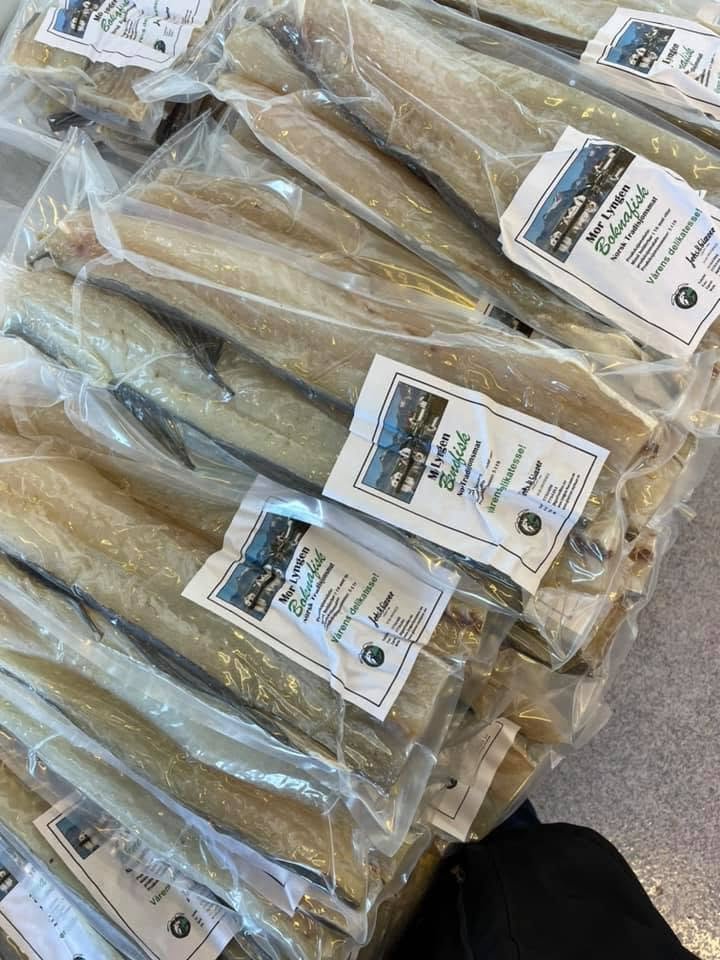
Norwegian Dry Stockfish Wholesale: Sourcing, Quality and Export Guide
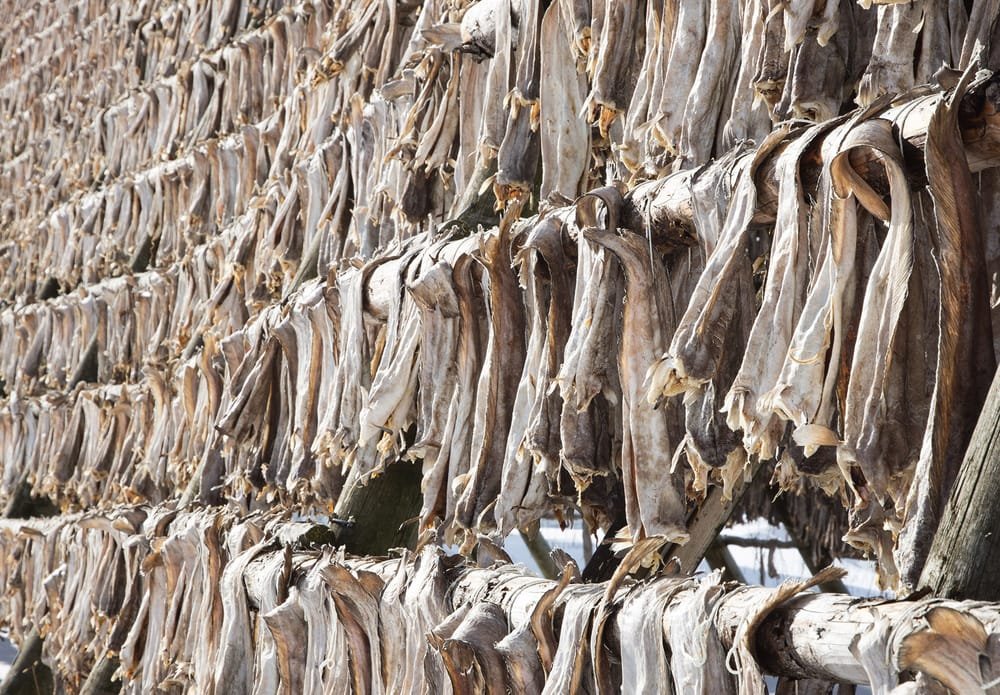
Norwegian dry stockfish is an established product in international seafood trade, valued for its traditional production method, distinctive flavour, and suitability for markets that demand dried fish products. For seafood importers, wholesalers, distributors, and food-service businesses, sourcing stockfish in bulk requires careful attention to product specifications, quality, packaging, documentation, and international shipping.
At Villena Seafood, we recognise the importance of connecting commercial buyers with suitable seafood supply opportunities. This guide explains what buyers should consider when sourcing Norwegian dry stockfish for wholesale distribution and international markets.
What Is Norwegian Dry Stockfish?
Stockfish is fish preserved through natural air-drying, traditionally using cold, windy conditions found along parts of the Norwegian coast. Cod is the best-known species used for stockfish, although other fish species may also be dried using similar methods.
Unlike salted dried fish, traditional stockfish is generally produced without salt. The drying process reduces the fish’s moisture content, helping preserve it when the product is properly prepared, stored, and handled.
Norwegian stockfish has a long history in European and international seafood commerce. It is particularly familiar in markets where dried fish is an important ingredient in traditional cooking.
For wholesale buyers, it is important to distinguish stockfish from salted dried fish, clipfish, and other dried seafood products. These products can differ in processing methods, flavour, specifications, and import requirements.
Why Buy Norwegian Dry Stockfish Wholesale?
Buying dry stockfish in bulk can offer practical advantages for businesses serving established seafood markets.
1. Suitable for Wholesale Distribution
Dry stockfish can be supplied in commercial quantities, subject to availability, product grade, and supplier capacity. Wholesale packaging helps importers organise handling, warehousing, and distribution to retailers and food-service customers.
2. Convenient Storage Compared with Frozen Seafood
Dry stockfish does not normally require frozen storage, unlike frozen fish products. However, it must be kept in appropriate conditions to protect it from moisture, pests, contamination, and quality deterioration.
Storage requirements depend on the product specification and supplier instructions.
3. Established Culinary Applications
Stockfish is used in a variety of traditional dishes. In Nigeria and other West African markets, dried fish products are used in soups, stews, and other regional recipes. Demand varies by country, consumer preference, fish species, and local purchasing power.
4. International Trade Opportunities
Importers can purchase stockfish for distribution through wholesale markets, specialist food shops, supermarkets, restaurants, and other commercial channels.
The right sourcing strategy depends on the target market, preferred sizes, quality expectations, order volume, and landed cost.
Understanding Stockfish Grades, Sizes and Specifications
Before requesting a quotation, buyers should define the exact product they need. The term Norwegian stockfish does not describe a single uniform specification.
Commercial offers may differ according to species, fish size, quality grade, drying characteristics, and presentation.
Buyers should confirm the following details before comparing quotations:
| Specification | Details to Confirm |
|---|---|
| Fish species | Cod or another clearly identified species |
| Country of origin | Confirmation of Norwegian origin where required |
| Product form | Whole dried fish, heads, or another specified format |
| Size and weight | Available size categories and grading method |
| Quality grade | Supplier’s grading description and acceptance criteria |
| Drying condition | Moisture characteristics and applicable quality specifications |
| Packaging | Bundles, bags, cartons, or other available formats |
| Net weight | Declared product weight and packaging basis |
| Shelf life | Supplier’s declared shelf life and storage instructions |
| Traceability | Lot identification and relevant origin records |
| Documentation | Applicable health, origin, and export documents |
Some suppliers use commercial size categories or traditional grading descriptions. Buyers should request the supplier’s actual grading specifications rather than assuming that grade names are identical across all suppliers.
Where consistency is important, agree on the acceptable size range, product condition, and quality criteria in writing before placing repeat orders.
How to Assess the Quality of Dry Stockfish
Product quality is one of the most important considerations in wholesale stockfish purchasing. A clear specification helps reduce misunderstandings between the supplier and buyer.
Appearance and Physical Condition
Request representative photographs and, where practical, samples of the actual product grade being offered. Review the fish for visible damage, excessive breakage, unusual discolouration, and signs of moisture-related deterioration.
Appearance alone cannot establish food safety, so visual checks should be combined with appropriate quality controls and documentation.
Drying and Moisture Control
Stockfish must be adequately dried and protected against moisture during storage and transportation. Exposure to humid conditions can compromise quality and increase the risk of mould or other deterioration.
Buyers should request relevant moisture specifications where these form part of the commercial agreement and confirm how the product should be stored after arrival.
Odour and Product Integrity
The product should be consistent with the characteristics expected for the specified dried fish. Unusual odours, visible mould, or evidence of contamination should be investigated rather than accepted as normal.
Traceability and Food Safety
Commercial buyers should confirm the product’s species, origin, lot identification, processing information where applicable, and relevant food-safety documentation.
For larger orders, agree on the inspection procedure, acceptance criteria, and method for resolving quality discrepancies before shipment.
Packaging Options for Wholesale Stockfish
Packaging should protect the product throughout handling, storage, and transportation while meeting the buyer’s requirements.
Depending on supplier availability, stockfish may be offered in bundles, bags, cartons, or other suitable commercial formats.
When discussing packaging, buyers should confirm:
- Net weight per package or bundle.
- Number of packages per carton or pallet, if applicable.
- Package dimensions and material.
- Protection against moisture and physical damage.
- Labelling and traceability information.
- Palletisation requirements.
- Container loading arrangements for larger shipments.
Packaging should be appropriate for the product’s moisture characteristics and intended transport conditions. The supplier and logistics provider should agree on suitable protection for the expected transit time and climate.
For container orders, confirm the actual loading plan and gross and net weights before calculating freight costs or committing to a purchase volume.
How to Store and Transport Dry Stockfish
Although dry stockfish does not normally require frozen storage, it still needs careful handling to maintain its condition.
Keep the Product Dry
Store stockfish in a clean, dry environment with appropriate ventilation and protection from rain, condensation, and water leaks. Avoid placing packages directly on damp floors or against surfaces where moisture may accumulate.
Protect Against Pests and Contamination
Warehouses should maintain suitable hygiene and pest-control procedures. Packaging should remain intact, and products should be kept away from chemicals, strong odours, and potential sources of contamination.
Manage Humidity and Temperature
Storage conditions should follow the supplier’s specifications. Avoid sudden temperature changes that can lead to condensation inside packaging or storage areas.
Plan International Shipping Carefully
The transport arrangement should reflect the product’s packaging, expected journey, destination climate, and anticipated handling conditions. Depending on the shipment, a clean, dry, appropriately ventilated transport environment may be necessary.
Before loading, inspect the transport unit for cleanliness, dryness, odours, and any conditions that could damage the cargo. For long-distance shipments, discuss suitable packaging and moisture protection with the supplier and freight forwarder.
Export Documentation and Import Requirements
International stockfish shipments may be subject to food-import regulations, customs procedures, health certification, labelling rules, and traceability requirements.
The documents needed depend on the exporting establishment, product type, destination country, and applicable trade arrangements.
Importers should confirm requirements before placing an order, including:
- Commercial invoice.
- Packing list.
- Transport document, such as a bill of lading where applicable.
- Certificate of origin, where required.
- Applicable health certificate or official fishery-product documentation.
- Product and lot traceability records.
- Import permits or establishment approvals, where applicable.
- Labelling and customs classification requirements.
Buyers importing into the European Union, United Kingdom, United States, Nigeria, or other regulated markets should verify the applicable rules with the relevant authorities or a qualified customs broker.
Norwegian origin does not automatically mean that every product or shipment is eligible for every destination market. Confirm that the species, establishment, documentation, and intended import route satisfy the relevant requirements.
Who Buys Norwegian Dry Stockfish in Bulk?
Norwegian dry stockfish may be suitable for a range of commercial customers, depending on product availability and local market demand.
Seafood importers: Businesses purchasing from international suppliers for domestic distribution.
Food wholesalers: Distributors supplying independent shops, supermarkets, specialist food retailers, and market traders.
African food distributors: Businesses serving customers who use dried fish in traditional recipes.
Restaurants and food-service companies: Commercial kitchens requiring defined product specifications and dependable purchasing arrangements.
Specialist seafood retailers: Retailers offering dried fish alongside other seafood products.
Food processors and repackers: Businesses requiring specified raw materials for further processing or repackaging, subject to applicable food-safety and labelling rules.
For all these buyers, a successful purchasing decision depends on the consistency of the product, the supplier’s ability to meet agreed specifications, and the total delivered cost.
How to Choose a Reliable Dry Stockfish Supplier
Selecting a supplier involves more than comparing the quoted price per kilogram.
Confirm the Product Specification
Ensure that the quotation clearly identifies the species, origin, size or grade, packaging, and net weight.
Verify the Commercial Offer
Check the available quantity, minimum order quantity, delivery schedule, currency, payment terms, quotation validity, and applicable Incoterms.
Review Documentation
Ask which origin, traceability, health, and export documents can be provided for the specific shipment.
Calculate the Landed Cost
Consider the product price together with freight, insurance where applicable, customs duties, taxes, inspection costs, port charges, and inland transportation.
Agree on Quality and Inspection
Define the acceptance criteria, inspection arrangements, and procedure for addressing any discrepancies before confirming the order.
Plan for Repeat Supply
Businesses with regular demand should discuss anticipated purchasing volumes, lead times, seasonal availability, and the supplier’s ability to maintain consistent specifications.
These steps help buyers make more informed purchasing decisions and reduce the risk of unexpected costs or shipment delays.
How to Request a Wholesale Stockfish Quotation
To receive a useful quotation, buyers should provide the following information:
- Required quantity in kilograms or metric tonnes.
- Preferred fish species, size range, and quality grade.
- Preferred packaging and palletisation.
- Destination country and port.
- Requested delivery terms, such as FOB or CIF, with the relevant named port.
- Required delivery schedule.
- Applicable import-document requirements.
With these details, the supplier can assess the request and determine whether a suitable offer is available.
Buyers should ensure that the final quotation clearly states the product specifications, quantity, price basis, shipping terms, payment terms, lead time, and documentation arrangements.
Source Dry Stockfish with Villena Seafood
For importers and wholesalers seeking dry stockfish for international distribution, the first step is to establish clear product specifications and a practical shipping plan.
Villena Seafood welcomes business enquiries from seafood importers, distributors, wholesalers, and food-service buyers interested in exploring dried and other seafood supply opportunities.
If you are sourcing Norwegian dry stockfish, contact Villena Seafood with your required quantity, preferred sizes or grades, packaging requirements, and destination port. These details will help establish whether a suitable product and commercial arrangement can be offered.
Our objective is to support professional seafood trade through clear communication, defined specifications, and practical export coordination.
Villena Seafood — Premium Seafood from Our Oceans to Your Table.
Product availability, Norwegian origin, grades, specifications, certifications, minimum order quantities, prices, and delivery terms must be confirmed for each enquiry. This article is a general buying guide and does not guarantee current stock or eligibility for import into a particular market.