
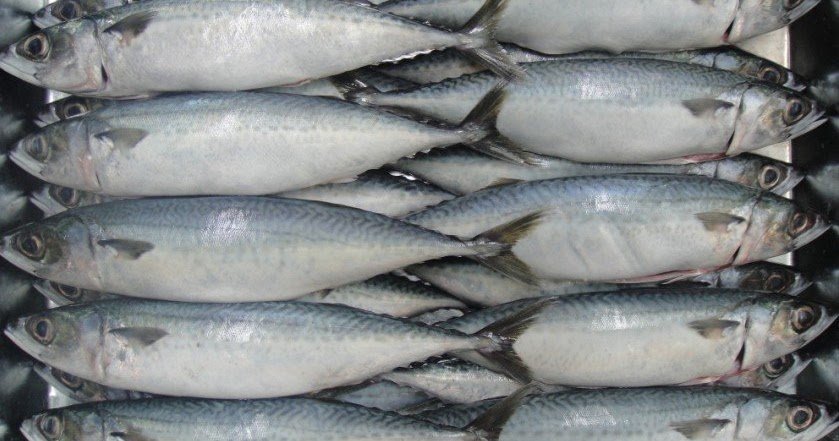
Mackerel Fish Frozen Healthy Recipes: Easy and Nutritious Ways to Cook Frozen Mackerel
Frozen mackerel is a convenient, flavorful, and versatile seafood choice that can be transformed into a wide variety of healthy meals. Whether you have frozen mackerel fillets, whole frozen mackerel, HGT mackerel, or another processed format, this oily fish works particularly well with herbs, lemon, garlic, vegetables, grains, potatoes, and Mediterranean-inspired ingredients.
Mackerel is also valued for its naturally occurring omega-3 fatty acids, high-quality protein, vitamins, and minerals. This makes it an attractive seafood option for consumers, restaurants, foodservice businesses, and seafood buyers looking for nutritious and versatile fish.
In this guide, Villena Seafood presents practical and healthy mackerel fish frozen recipes, along with preparation tips, cooking methods, ingredient ideas, and advice for selecting quality frozen mackerel.
Why Choose Frozen Mackerel?
Frozen seafood offers convenience and flexibility, particularly when fresh fish is not readily available.
Properly frozen mackerel can be stored for later use and incorporated into meals whenever needed, provided it has been handled and stored according to the product’s instructions.
Frozen mackerel can be purchased in several commercial formats, including:
- Whole frozen mackerel
- Headed and gutted mackerel
- HGT mackerel
- Frozen mackerel fillets
- Frozen mackerel steaks
- Smoked mackerel
- Individually frozen portions
- Block-frozen products
The best format depends on the intended recipe, kitchen requirements, market, and purchasing needs.
Is Mackerel a Healthy Fish?
Mackerel is an oily fish that naturally provides several important nutrients.
Depending on the species and serving size, mackerel can provide:
- High-quality protein
- Omega-3 fatty acids
- Vitamin B12
- Vitamin D
- Selenium
- Phosphorus
- Other vitamins and minerals
EPA and DHA are long-chain omega-3 fatty acids naturally found in oily fish. DHA contributes to the maintenance of normal brain function and normal vision, while EPA and DHA contribute to normal heart function when consumed in sufficient amounts.
The exact nutritional composition varies by mackerel species, season, size, origin, and preparation.
Important: “Mackerel” refers to multiple species. Nutritional characteristics and seafood-safety considerations can differ between species, so buyers and consumers should identify the exact species and follow applicable local seafood-consumption guidance.
How to Prepare Frozen Mackerel Before Cooking
The preparation method depends on the product format.
For frozen mackerel, follow the supplier’s or package’s thawing instructions.
For products intended to be thawed before cooking, a controlled refrigerator thaw is generally preferable to leaving fish at room temperature for extended periods.
After thawing:
- Remove the fish from its packaging.
- Check the product for any remaining bones where appropriate.
- Pat the surface dry with clean paper towels.
- Prepare your preferred marinade or seasoning.
- Cook thoroughly using an appropriate method.
Avoid repeatedly thawing and refreezing seafood.
1. Healthy Grilled Mackerel With Lemon and Garlic
Grilled mackerel is one of the simplest ways to enjoy this flavorful fish.
Ingredients
- Mackerel fillets
- Fresh lemon juice
- Garlic
- Olive oil
- Fresh parsley
- Black pepper
- A small amount of salt
- Optional paprika
Method
- Place the thawed mackerel fillets in a suitable dish.
- Combine lemon juice, minced garlic, olive oil, parsley, and seasoning.
- Coat the fish with the mixture.
- Allow the flavors to develop for a short period under refrigeration.
- Grill until the fish is thoroughly cooked.
- Serve with fresh vegetables, salad, or whole grains.
Why This Recipe Works
The acidity of lemon complements the naturally rich flavor of mackerel, while garlic and herbs add flavor without requiring a heavy sauce.
2. Baked Mackerel With Mediterranean Vegetables
For an easy one-pan meal, baked mackerel works particularly well with vegetables.
Ingredients
- Mackerel fillets
- Bell peppers
- Tomatoes
- Zucchini
- Red onion
- Garlic
- Olive oil
- Lemon
- Oregano
- Black pepper
Method
- Preheat the oven according to your fish product’s cooking instructions.
- Arrange chopped vegetables in a baking dish.
- Add olive oil, garlic, oregano, and pepper.
- Place the prepared mackerel over the vegetables.
- Add lemon slices.
- Bake until the fish reaches a safe cooked temperature and the flesh flakes easily.
- Serve immediately with the roasted vegetables.
This recipe is particularly suitable for people who want a simple seafood meal combining fish and vegetables in one dish.
3. Mackerel and Sweet Potato Boats
Mackerel and sweet potato make a satisfying combination.
Ingredients
- Cooked mackerel
- Sweet potatoes
- Olive oil
- Lemon juice
- Parsley
- Black pepper
- Optional yogurt-based sauce
Method
- Bake the sweet potatoes until tender.
- Allow them to cool enough to handle safely.
- Cut them lengthwise and scoop out some of the center.
- Mix the sweet potato with cooked flaked mackerel.
- Add lemon juice, parsley, and seasoning.
- Return the mixture to the sweet potato skins.
- Bake until heated through.
This creates a practical meal using simple ingredients while combining fish with a naturally sweet, fiber-containing vegetable.
4. Healthy Mackerel Fish Cakes
Mackerel can also be transformed into flavorful fish cakes.
Ingredients
- Cooked mackerel
- Potatoes
- Fresh parsley
- Lemon zest or juice
- Egg
- Breadcrumbs
- Black pepper
- Optional spring onion
Method
- Boil the potatoes until tender.
- Mash them and allow them to cool slightly.
- Flake the cooked mackerel and remove any bones.
- Combine the fish and potatoes.
- Add parsley, lemon, egg, and seasoning.
- Shape the mixture into small patties.
- Coat lightly with breadcrumbs.
- Bake or pan-cook until thoroughly heated and golden.
For a lighter preparation, baking can reduce the amount of added cooking oil compared with deep-frying.
5. Mediterranean Mackerel Salad
Mackerel works especially well in fresh salads.
Ingredients
- Cooked mackerel
- Mixed leafy greens
- Cucumber
- Tomato
- Red onion
- Olives
- Lemon
- Olive oil
- Fresh herbs
Method
- Prepare a bed of fresh vegetables.
- Add flaked cooked mackerel.
- Combine lemon juice and olive oil for a simple dressing.
- Add herbs and a small amount of seasoning.
- Toss gently before serving.
This is an easy way to combine oily fish with vegetables and fresh ingredients.
6. Mackerel With Rice and Steamed Vegetables
Mackerel can form the protein component of a simple rice bowl.
Ingredients
- Cooked mackerel
- Rice
- Broccoli
- Carrots
- Bell peppers
- Lemon
- Herbs
- Optional low-sodium sauce
Method
- Cook the rice.
- Steam or lightly cook the vegetables.
- Grill, bake, or pan-cook the mackerel.
- Place the rice in a bowl.
- Add vegetables and mackerel.
- Finish with lemon juice and fresh herbs.
This meal is easy to adapt according to the vegetables and grains available.
7. Mackerel Tomato Stew
A tomato-based mackerel stew is another excellent way to use frozen fish.
Ingredients
- Mackerel
- Tomatoes
- Onion
- Garlic
- Potatoes
- Bell pepper
- Paprika
- Herbs
- Water or suitable stock
Method
- Sauté onion and garlic in a small amount of oil.
- Add tomatoes, potatoes, and bell pepper.
- Add liquid and simmer until the vegetables are tender.
- Add the mackerel toward the appropriate stage of cooking.
- Continue cooking until the fish is thoroughly cooked.
- Season with herbs and serve.
The tomato, garlic, and herbs complement the naturally rich flavor of mackerel.
8. Mackerel Pasta With Tomato and Herbs
Mackerel can also be used in pasta dishes.
Ingredients
- Cooked mackerel
- Whole-wheat or regular pasta
- Tomatoes
- Garlic
- Onion
- Parsley
- Lemon
- Olive oil
- Black pepper
Method
- Cook the pasta according to the package instructions.
- Prepare a simple tomato, garlic, and onion sauce.
- Add flaked cooked mackerel.
- Combine with the pasta.
- Finish with parsley and a small amount of lemon juice.
This recipe can be prepared quickly and works well as a family-style seafood meal.
9. Herb-Baked Whole Mackerel
Whole mackerel can create an impressive seafood meal while requiring relatively simple ingredients.
Ingredients
- Whole prepared mackerel
- Lemon
- Garlic
- Parsley
- Oregano
- Olive oil
- Black pepper
Method
- Prepare the fish according to the product instructions.
- Place lemon slices and herbs around or inside the fish as appropriate.
- Brush lightly with olive oil.
- Bake until thoroughly cooked.
- Serve with roasted vegetables or salad.
Whole mackerel can be particularly suitable for foodservice and restaurants looking for attractive seafood presentation.
10. Mackerel Tacos With Fresh Salsa
Mackerel can be used as an alternative seafood filling for tacos.
Ingredients
- Cooked mackerel
- Soft tortillas
- Tomato
- Cucumber
- Red onion
- Lime or lemon
- Fresh coriander
- Avocado
- Mild seasoning
Method
- Cook and flake the mackerel.
- Prepare a fresh tomato and onion salsa.
- Warm the tortillas.
- Add mackerel and vegetables.
- Finish with lime or lemon juice.
The freshness of the salsa balances the rich flavor of the fish.
11. Mackerel and Vegetable Soup
A simple fish soup can be an excellent way to incorporate mackerel into a balanced meal.
Ingredients
- Mackerel
- Carrots
- Celery
- Onion
- Potatoes
- Tomatoes
- Garlic
- Herbs
- Water or suitable stock
Method
- Cook the vegetables in the stock.
- Add potatoes and simmer until tender.
- Add prepared mackerel.
- Cook until the fish is thoroughly cooked.
- Add herbs before serving.
This recipe can be adjusted according to seasonal vegetables and available ingredients.
12. Mackerel With Roasted Potatoes and Greens
For a simple dinner, combine baked mackerel with roasted potatoes and green vegetables.
Ingredients
- Mackerel fillets
- Potatoes
- Broccoli or green beans
- Lemon
- Olive oil
- Garlic
- Herbs
Method
- Roast the potatoes until tender.
- Prepare the mackerel with lemon, garlic, and herbs.
- Bake or grill the fish until thoroughly cooked.
- Steam or roast the vegetables.
- Serve everything together.
This simple combination works well for both home cooking and foodservice menus.
How to Make Frozen Mackerel Taste Better
Mackerel has a naturally distinctive flavor, so choosing complementary ingredients can make a significant difference.
Some of the best ingredients to pair with mackerel include:
Lemon
Acidity provides a fresh contrast to oily fish.
Garlic
Garlic works particularly well with grilled and baked mackerel.
Fresh Herbs
Parsley, dill, coriander, oregano, and thyme can complement mackerel.
Tomato
Tomato-based sauces work well in stews and pasta dishes.
Ginger
Ginger can provide a fresh, aromatic flavor for Asian-inspired preparations.
Chili
For those who enjoy spicy food, chili can complement the richness of mackerel.
Olive Oil
Olive oil works particularly well in Mediterranean-style mackerel recipes.
Best Cooking Methods for Frozen Mackerel
There is no single best cooking method for mackerel. The ideal approach depends on the product format and recipe.
Grilling
Grilling creates a flavorful exterior and works particularly well with fillets.
Baking
Baking is convenient and allows mackerel to be cooked alongside vegetables.
Pan-Cooking
Pan-cooking can produce a crisp surface, although care should be taken not to overcook the fish.
Steaming
Steaming provides a gentle cooking method and works well with ginger, herbs, and aromatic ingredients.
Broiling
Broiling can quickly cook portions and create a browned surface.
Stewing
Stewing is particularly useful for dishes containing tomatoes, potatoes, onions, and other vegetables.
Tips for Buying Quality Frozen Mackerel
When buying frozen mackerel, whether for your home, restaurant, or wholesale business, product specifications are important.
Look for clear information regarding:
- Exact species
- Scientific name
- Country of origin
- Catch area
- Product format
- Size
- Freezing method
- Net weight
- Glazing percentage
- Packaging
- Production or catch date
- Best-before date
- Storage requirements
- Traceability
- Certifications where applicable
For whole frozen fish, the product should remain properly frozen and the packaging should be intact.
For commercial buyers, a detailed specification sheet should be requested before purchasing.
Frozen Mackerel vs Fresh Mackerel
Many consumers ask whether frozen mackerel is as good as fresh mackerel.
The answer depends heavily on how the fish was handled before, during, and after freezing.
High-quality frozen seafood can be a practical option because fish can be frozen soon after processing, helping preserve quality during distribution when the cold chain is properly maintained.
Fresh fish, meanwhile, requires a shorter distribution window and reliable refrigerated logistics.
For international seafood supply, frozen mackerel offers significant advantages in inventory planning, transportation, and year-round availability.
How to Store Frozen Mackerel
Proper storage is essential for maintaining seafood quality.
General principles include:
- Keep frozen products at the temperature specified by the supplier.
- Avoid unnecessary temperature fluctuations.
- Keep packaging intact.
- Follow the product’s stated shelf-life requirements.
- Once thawed, follow the supplier’s handling and cooking instructions.
- Do not repeatedly thaw and refreeze seafood.
For commercial cold storage, documented temperature monitoring is an important part of quality management.
Healthy Mackerel Recipe Ideas for Restaurants
Mackerel is not limited to home cooking. Restaurants and foodservice businesses can use it in a wide range of dishes.
Popular menu concepts include:
- Grilled mackerel with lemon
- Mediterranean baked mackerel
- Mackerel rice bowls
- Mackerel tacos
- Mackerel pasta
- Mackerel salad
- Whole roasted mackerel
- Mackerel fish cakes
- Mackerel tomato stew
- Mackerel with roasted vegetables
Restaurants can select different product formats depending on labor requirements, presentation, menu pricing, and portion control.
Wholesale Frozen Mackerel for International Buyers
For importers, distributors, supermarket chains, restaurants, and foodservice companies, frozen mackerel can be an attractive seafood product because of its versatility and established consumer demand.
Before placing a wholesale order, buyers should confirm:
| Specification | What to Check |
|---|---|
| Species | Exact commercial and scientific name |
| Origin | Country and catch area |
| Format | Whole, HGT, fillet, steak, etc. |
| Size | Agreed size grade |
| Freezing | Freezing method and condition |
| Glazing | Percentage where applicable |
| Packing | Carton and inner packaging |
| Net weight | Confirm declared weight |
| Shelf life | Remaining shelf life at shipment |
| Storage | Required frozen temperature |
| Documentation | Export and food-safety documents |
| MOQ | Minimum order quantity |
| Shipping | Loading port and reefer options |
| Incoterm | FOB, CIF, FCA, etc. |
Clear specifications help buyers compare offers and avoid misunderstandings during international seafood transactions.
Why Mackerel Is a Valuable Wholesale Seafood Product
Mackerel combines several characteristics that make it commercially attractive:
Nutritional appeal
Mackerel naturally provides protein and omega-3 fatty acids.
Culinary versatility
It can be grilled, baked, steamed, smoked, stewed, or incorporated into prepared foods.
Multiple product formats
Buyers can source whole fish, HGT, fillets, steaks, and other formats depending on market requirements.
Frozen supply flexibility
Frozen products can support longer international distribution chains when handled correctly.
Broad foodservice applications
Mackerel can be used by restaurants, hotels, caterers, seafood distributors, supermarkets, and food manufacturers.
Frequently Asked Questions About Frozen Mackerel Recipes
Can you cook frozen mackerel?
Whether mackerel can be cooked directly from frozen depends on the product and packaging instructions. Always follow the manufacturer’s cooking directions. Some products are intended to be thawed first.
What is the healthiest way to cook mackerel?
Baking, grilling, steaming, and other methods that require relatively little added oil can be convenient choices for preparing mackerel.
What goes well with mackerel?
Mackerel pairs well with lemon, garlic, herbs, tomatoes, potatoes, rice, vegetables, salads, and Mediterranean-style ingredients.
Is frozen mackerel nutritious?
Properly frozen mackerel can retain substantial nutritional value. Its exact nutrient content depends on species, size, origin, processing, storage, and preparation.
What can I make with frozen mackerel?
You can make grilled mackerel, baked mackerel, fish cakes, mackerel pasta, fish stew, rice bowls, salads, tacos, soups, and many other dishes.
How should frozen mackerel be thawed?
Follow the instructions provided for your particular product. For products requiring thawing, controlled refrigerator thawing is generally preferable to leaving fish at room temperature for extended periods.
Is mackerel good for a healthy diet?
Mackerel can be part of a balanced diet and provides protein, omega-3 fatty acids, vitamin B12, selenium, and other nutrients. The exact nutritional profile varies between mackerel species.
Final Thoughts: Easy and Healthy Mackerel Fish Frozen Recipes
Mackerel fish frozen is much more versatile than many consumers realize. With the right preparation, frozen mackerel can become everything from a simple grilled dinner to a Mediterranean vegetable bake, fish cake, pasta dish, rice bowl, soup, or restaurant-quality whole-fish presentation.
The key to great results is choosing a suitable product, following proper thawing and cooking instructions, combining mackerel with fresh ingredients, and maintaining good seafood-handling practices.
For seafood importers, distributors, restaurants, retailers, and foodservice operators, product specifications are equally important. The exact mackerel species, origin, size, processing format, packaging, freezing method, shelf life, and cold-chain requirements should be confirmed before purchasing.
Villena Seafood provides professional seafood sourcing solutions for international buyers seeking reliable frozen seafood products and clear commercial specifications. Whether your requirement is frozen mackerel for retail, foodservice, restaurant menus, or wholesale distribution, understanding the product from sourcing through preparation helps ensure better purchasing and cooking results.