

Frozen Mantis Shrimp Wholesale: A Complete Guide for Seafood Importers and Distributors
Frozen mantis shrimp is a distinctive seafood product with potential applications across seafood distribution, restaurants, food-service businesses, and international food markets. For importers and wholesalers, sourcing the product requires careful consideration of species, product specifications, freezing methods, packaging, food safety, and international shipping requirements.
At Villena Seafood, we focus on connecting seafood buyers with wholesale supply opportunities and export-oriented seafood solutions. This guide explains what commercial buyers should understand when sourcing frozen mantis shrimp in bulk and preparing for international trade.
What Is Mantis Shrimp?
Mantis shrimp are marine crustaceans belonging to the order Stomatopoda. Despite their name, they are not true shrimp. They have distinctive bodies, powerful appendages, and a range of species found in marine environments around the world.
Mantis shrimp are used in several regional cuisines, particularly in parts of Asia, where they may be steamed, boiled, grilled, fried, or incorporated into seafood dishes. Their meat and distinctive appearance make them a specialised product for seafood retailers, restaurants, and distributors serving customers familiar with this category.
For wholesale buyers, accurate species identification is important because commercial names, physical characteristics, sizes, and market preferences can vary between species and regions.
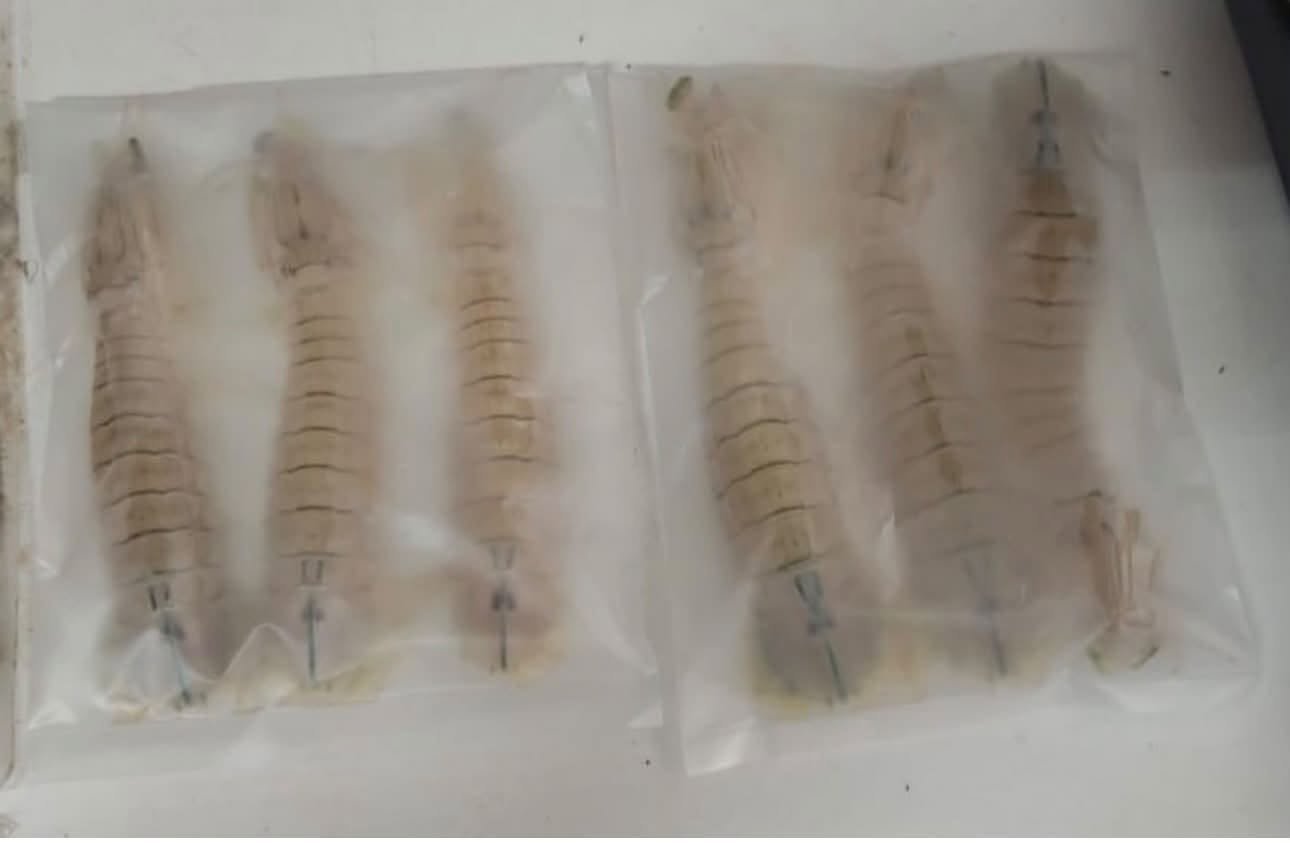
Why Is Frozen Mantis Shrimp Relevant to Wholesale Seafood Buyers?
Frozen seafood gives commercial buyers an option for managing inventory and distributing products beyond the immediate landing or processing area. When properly processed, packaged, and maintained at the appropriate temperature, frozen mantis shrimp can be incorporated into established frozen seafood supply chains.
Key considerations for buyers include:
- Inventory planning: Frozen products can support planned purchasing and distribution schedules.
- Product consistency: Agreed specifications help buyers maintain consistency between orders.
- Market reach: Frozen logistics can support distribution to markets distant from the harvesting or processing location.
- Menu flexibility: Restaurants and food-service operators can incorporate mantis shrimp into a variety of regional seafood dishes.
- Bulk purchasing: Wholesale carton and pallet formats can help commercial buyers organise storage, handling, and onward distribution.
Actual product availability, shelf life, packaging options, and shipping arrangements depend on the supplier and the specific product offered.
Frozen Mantis Shrimp Product Specifications
Before requesting a wholesale quotation, buyers should establish exactly which product they need. The phrase “frozen mantis shrimp” alone may not provide enough information for an accurate quotation or shipment.
The following specifications should be confirmed with the supplier.
| Specification | What buyers should confirm |
|---|---|
| Species | Scientific name and commercial designation |
| Country of origin | Harvesting origin and processing country, where applicable |
| Product form | Whole, head-on, headless, or another specified presentation |
| Size grading | Available size range and grading method |
| Freezing method | Individually quick frozen (IQF) or block frozen, where available |
| Glazing | Whether glazing is applied and the declared net weight basis |
| Packaging | Inner packaging, carton weight, and cartons per master carton or pallet |
| Storage conditions | Required frozen storage temperature |
| Shelf life | Manufacturer’s declared shelf life and production date |
| Documentation | Applicable health certificates, traceability records, and export documents |
These details should be established before comparing offers. Two quotations may not be directly comparable if they refer to different species, product forms, grading systems, glazing percentages, or net weight definitions.
IQF vs. Block-Frozen Mantis Shrimp
Freezing method can influence how a product is stored, handled, and prepared for commercial use. The most suitable option depends on the product specification and the buyer’s operational requirements.
Individually Quick Frozen (IQF)
IQF products are frozen individually rather than as one solid mass. Depending on the product and processing method, this can make it easier for kitchen staff or distributors to separate individual pieces and use quantities as needed.
Potential advantages include:
- Convenient portion selection.
- Flexible handling in commercial kitchens.
- Easier separation of individual pieces.
- Practical inventory management for buyers who use varying quantities.
Block-Frozen Products
Block freezing involves freezing products together in a defined block or pack. This format may suit buyers who purchase larger quantities for further processing, bulk handling, or applications where individual separation is not essential.
Potential advantages include:
- A straightforward bulk-pack format.
- Convenient stacking and storage when cartons are appropriately designed.
- Suitability for certain processing and food-service operations.
Not every species or product form is available in both formats. Buyers should confirm the actual freezing method, carton dimensions, net weight, and intended use before ordering.
How to Evaluate Quality When Buying Frozen Mantis Shrimp
Product quality should be assessed using documented specifications and appropriate food-safety controls rather than appearance alone.
Commercial buyers should consider the following points.
1. Species identification and traceability
Confirm the scientific species name, supplier identification, harvesting or production origin, and traceability information required for the destination market.
2. Product condition
Request a clear product specification and, where appropriate, representative photographs or a sample. Confirm whether the product is raw or cooked, whole or processed, and whether any treatment has been applied.
3. Freezing and temperature management
Frozen seafood should be maintained under the required temperature conditions throughout storage and transport. Buyers should review the supplier’s handling procedures and the applicable temperature requirements for the product and market.
4. Packaging integrity
Cartons and inner packaging should be suitable for frozen food and international transport. Packaging should protect the product from contamination, damage, and unnecessary exposure to air or moisture.
5. Net weight and glazing
Where glazing is used, confirm the declared net weight, glazing percentage, and applicable labelling requirements. Ensure that the quotation clearly states the basis on which the product weight is calculated.
6. Shelf life and production information
Request the manufacturer’s declared shelf life, production date or lot information, storage instructions, and applicable date-marking details.
7. Food-safety documentation
Check that the supplier can provide the documentation required for the product, exporting country, and destination market. Requirements may include health certification, establishment approval, traceability records, and other import documents.
Packaging and Cold-Chain Logistics
International frozen seafood trade requires coordination between the supplier, freight forwarder, importer, customs broker, and receiving facility.
For larger orders, refrigerated containers may be considered where suitable for the product and shipment size. The transport plan should account for the required temperature, transit time, loading procedures, packaging, destination port, and onward delivery arrangements.
Before confirming an order, buyers should discuss:
- Carton dimensions and net weight.
- Cartons per pallet, where palletisation is used.
- Total shipment weight and loading configuration.
- Required transport temperature and monitoring arrangements.
- Container type and suitability for the shipment.
- Estimated transit time and destination port.
- Import clearance, inspections, and delivery arrangements.
A refrigerated container does not replace the need for appropriate product handling before loading or after arrival. The cold chain should be maintained throughout the shipment.
International Import Requirements for Frozen Mantis Shrimp
Import regulations vary by destination country, species, product form, and country of origin. Mantis shrimp may be subject to rules governing crustaceans, fishery products, food hygiene, labelling, and border inspections.
Before placing an order, importers should confirm the following with their relevant authorities or customs broker:
- Whether the species is eligible for import.
- Whether the exporting country and processing establishment are approved.
- Which health certificates and official documents are required.
- Applicable food-safety, residue, and contaminant standards.
- Labelling and language requirements.
- Customs classification, duties, taxes, and import permits.
- Any applicable sustainability, catch documentation, or traceability rules.
Buyers should not assume that documentation accepted in one market will automatically satisfy the requirements of another. Requirements should be checked for the actual shipment before payment and dispatch.
Who Buys Frozen Mantis Shrimp in Wholesale Quantities?
Frozen mantis shrimp may be relevant to several types of commercial buyers, depending on local demand and the product specification.
Seafood importers: Businesses sourcing seafood internationally for domestic wholesale distribution.
Seafood wholesalers: Distributors supplying restaurants, retailers, specialist seafood shops, and food-service customers.
Restaurants and hotel groups: Operators developing menus featuring regional seafood dishes, subject to the product format and their purchasing needs.
Asian food distributors: Businesses serving markets where mantis shrimp is an established or recognised seafood category.
Food-service suppliers: Companies purchasing frozen seafood for commercial kitchens, catering operations, and hospitality businesses.
Seafood processors: Businesses that require a defined raw material specification for further processing, subject to the suitability of the product.
The best product specification depends on the intended market, expected turnover, storage facilities, customer preferences, and available purchasing budget.
How to Compare Wholesale Mantis Shrimp Quotations
Price is important, but the lowest quoted price does not necessarily represent the best commercial offer.
When comparing suppliers, buyers should evaluate:
- Product species and origin.
- Size grading and product presentation.
- Net weight and glazing basis.
- Carton weight and packaging quality.
- Minimum order quantity.
- Available volume and delivery schedule.
- Incoterms and named delivery location.
- Freight, insurance, customs charges, and other applicable costs.
- Payment terms and required documentation.
For example, an EXW or FOB quotation generally does not cover the same costs as a CIF quotation. Buyers should compare offers on a consistent basis and confirm which expenses and responsibilities are included.
A written quotation should clearly identify the product, quantity, unit of measure, currency, delivery terms, validity period, and any conditions affecting the offer.
Frequently Asked Questions
Is frozen mantis shrimp the same as ordinary shrimp?
No. Mantis shrimp belong to the order Stomatopoda, whereas common commercial shrimp belong to different crustacean groups. The distinction matters for product identification, specifications, and import documentation.
Is frozen mantis shrimp available in IQF packaging?
IQF may be an option for certain products, but availability depends on the species, processing facility, and supplier. Buyers should confirm the actual format before placing an order.
What is the correct storage temperature?
Follow the temperature specified by the manufacturer and applicable food-safety requirements. Many commercially frozen seafood products are stored at -18°C or colder, but the exact requirements should be confirmed for the product being purchased.
What documents should an importer request?
Depending on the origin and destination, buyers may need commercial invoices, packing lists, transport documents, health certificates, origin documentation, and traceability information. Additional permits or certificates may apply.
How can a buyer obtain a wholesale quotation?
Provide the supplier with the requested quantity, destination country and port, product form, size grade, packaging preference, and preferred Incoterm. These details help the supplier assess availability and prepare a meaningful quotation.
Source Frozen Seafood with Villena Seafood
For seafood importers and distributors, successful purchasing begins with clear specifications, reliable communication, and a practical shipping plan.
Villena Seafood welcomes enquiries from businesses exploring wholesale frozen seafood supply opportunities. Buyers interested in frozen mantis shrimp should specify their target market, required quantity, preferred product format, packaging requirements, and destination port so that availability and suitable commercial terms can be assessed.
Contact Villena Seafood to discuss your sourcing requirements and request further product information.
Villena Seafood — Premium Seafood from Our Oceans to Your Table.