
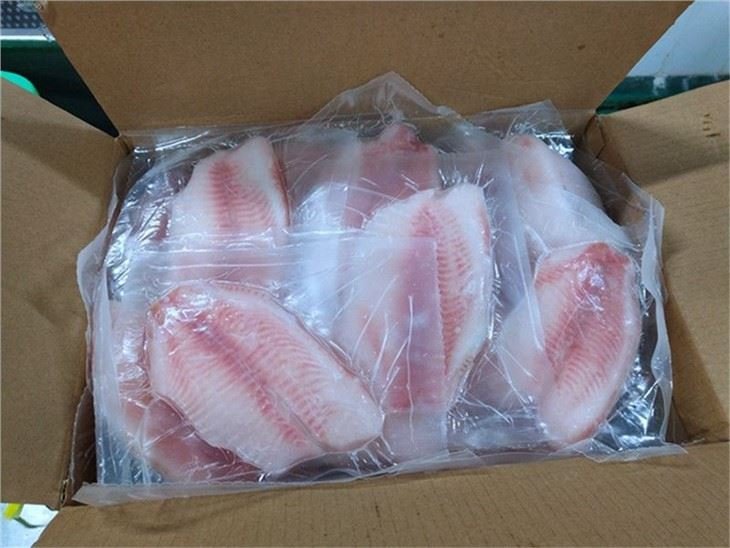
Wholesale Tilapia Fillet for Sale – Premium Frozen Tilapia Fillets Supplier
Wholesale Tilapia Fillet for Sale | Frozen Tilapia Fillets | Bulk Tilapia Supplier & Exporter for Importers, Restaurants, Foodservice and Retail
Villena Seafood supplies wholesale tilapia fillet for international seafood importers, wholesalers, distributors, supermarkets, restaurants, hotels, foodservice companies, catering businesses, seafood processors, and food manufacturers.
Tilapia fillets are among the most commercially versatile white-fish products in the global seafood market. Their mild flavor, firm yet delicate texture, convenient boneless format, and broad culinary applications make them popular with professional kitchens, retailers, foodservice operators, and seafood processors.
For businesses searching for frozen tilapia fillets for sale, wholesale tilapia fillet suppliers, bulk frozen tilapia, tilapia fillet exporters, commercial tilapia suppliers, tilapia fish fillets wholesale, or tilapia fillets for restaurants, Villena Seafood offers export-oriented sourcing solutions based on product specifications, quantity, packaging, food-safety requirements, and destination-market needs.
Our focus is on reliable seafood sourcing, clear product specifications, appropriate cold-chain management, traceability, export documentation, and international logistics.
Wholesale Tilapia Fillets for Global Seafood Buyers
Tilapia is an important white-fish category for international seafood trade.
Its mild taste makes it suitable for consumers who prefer a less pronounced fish flavor, while its versatile fillet format allows restaurants and food manufacturers to use it across a wide variety of recipes.
Wholesale tilapia fillets can be supplied in different commercial presentations according to the requirements of the buyer.
Potential specifications include:
- Skin-on tilapia fillets
- Skinless tilapia fillets
- Boneless tilapia fillets
- Fresh tilapia fillets
- Frozen tilapia fillets
- IQF tilapia fillets
- Individually frozen fillets
- Block frozen tilapia fillets
- Raw tilapia fillets
- Various fillet sizes
- Various packaging configurations
Availability depends on species, origin, processing facility, production schedule, stock, and customer requirements.
For this reason, professional buyers should provide a detailed specification when requesting a quotation.
What Is Tilapia Fillet?
Tilapia fillet is the boneless or processed edible portion of tilapia fish prepared for foodservice, retail, wholesale, and food manufacturing applications.
Commercial tilapia products can originate from several species within the cichlid family. Oreochromis niloticus, commonly known as Nile tilapia, is one of the most widely farmed tilapia species globally.
Tilapia fillets are valued for their:
- Mild flavor
- White flesh
- Convenient preparation
- Versatility
- Consistent portioning
- Broad consumer acceptance
- Suitable texture for multiple cooking methods
The exact characteristics of a commercial tilapia fillet depend on species, farming or sourcing conditions, feed, fish size, processing method, freezing method, and product specification.
Frozen Tilapia Fillet for Sale
Frozen tilapia fillets are particularly suitable for international seafood distribution.
Freezing allows commercial buyers to maintain inventory for longer periods than would generally be possible with fresh fish, provided the product remains under appropriate frozen storage conditions.
Frozen tilapia fillets are commonly supplied to:
- Seafood importers
- Seafood wholesalers
- Foodservice distributors
- Supermarket chains
- Restaurants
- Hotels
- Catering companies
- Food processors
- Frozen-food manufacturers
- Institutional foodservice buyers
- International trading companies
For international trade, frozen products can provide greater flexibility in transportation and inventory planning.
IQF Tilapia Fillets
IQF, or Individually Quick Frozen, tilapia fillets are individually frozen rather than frozen together into a solid block.
This format can offer several practical benefits to foodservice and commercial buyers.
Individual fillets can allow operators to take the required quantity from a carton while keeping the remaining product frozen.
IQF tilapia fillets can therefore be useful for:
- Restaurants
- Hotels
- Catering
- Foodservice distributors
- Supermarkets
- Meal manufacturers
- Portion-controlled food production
The exact freezing method, product temperature, glazing, and packaging should be confirmed against the supplier’s technical specification.
Skinless and Boneless Tilapia Fillets
Skinless, boneless tilapia fillets are among the most convenient formats for professional kitchens.
Removing the skin and bones reduces preparation requirements and provides a ready-to-cook fish portion.
This format is especially suitable for:
- Restaurants
- Hotels
- Catering
- Retail
- Ready-meal manufacturers
- Frozen food companies
- Seafood distributors
For retail consumers, skinless and boneless fillets are also attractive because they require relatively little preparation before cooking.
Skin-On Tilapia Fillets
Skin-on tilapia fillets are another commercial option.
The skin can provide additional culinary flexibility and can be useful for cooking methods where the skin is intentionally retained.
Depending on the product specification, skin-on fillets can be supplied for:
- Restaurant kitchens
- Foodservice
- Seafood retailers
- Culinary wholesalers
- Food processors
Buyers should specify whether they require skin-on or skinless product when requesting a quotation.
Wholesale Tilapia Fillet for Restaurants
Restaurants require seafood that is practical, consistent, and versatile.
Tilapia fillets can be used across numerous menu categories because of their mild flavor and convenient portion format.
Grilled Tilapia
Tilapia fillets can be grilled with herbs, spices, vegetables, sauces, or other ingredients.
Fried Tilapia
Tilapia is commonly used for fried fish dishes and can be coated with breadcrumbs, batter, flour, or seasoning.
Baked Tilapia
Fillets can be baked with herbs, lemon, vegetables, sauces, and other culinary ingredients.
Pan-Fried Tilapia
Pan-frying can provide a convenient preparation method for restaurants seeking quick-service seafood dishes.
Fish Tacos
Tilapia can be used as an ingredient in fish tacos and other casual dining preparations.
Seafood Platters
Tilapia can form part of mixed seafood menus and value-oriented seafood platters.
Ready Meals
Food manufacturers can use tilapia fillets in frozen or chilled prepared meals.
Bulk Tilapia Fillets for Foodservice
Foodservice distributors often require seafood products that provide predictable specifications and convenient preparation.
Bulk frozen tilapia fillets can help foodservice operators manage inventory while providing a versatile white-fish option to their customers.
Potential foodservice customers include:
- Restaurants
- Hotels
- Resorts
- Catering companies
- Cafeterias
- Commercial kitchens
- Restaurant chains
- Institutional foodservice operators
- Hospitality businesses
For foodservice procurement, important considerations include:
Fillet size + skin condition + bone status + glazing + packaging + net weight + shelf life + storage requirements.
Tilapia Fillet for Supermarkets and Retailers
Tilapia has strong potential in retail because it is a versatile and relatively approachable white-fish product.
Retailers may offer tilapia as:
- Frozen fillet bags
- Retail trays
- Individually packaged fillets
- Family-size packs
- Value-added seasoned fillets
- Ready-to-cook products
- Premium seafood selections
Retail packaging should clearly communicate relevant information such as species, origin, net weight, storage instructions, cooking information where applicable, allergens, and other legally required labeling.
Requirements differ between countries and jurisdictions, so buyers should verify destination-market regulations before importing.
Tilapia Fillets for Seafood Importers
International seafood importers typically require more than a competitive product price.
A reliable import program requires:
- Consistent product specification
- Clear species identification
- Reliable origin information
- Appropriate packaging
- Food-safety controls
- Traceability
- Export documentation
- Frozen-chain management
- Predictable logistics
- Commercial communication
Villena Seafood works with professional buyers to understand these requirements and match the appropriate tilapia product specification to their market.
Tilapia Fillet Species and Origin
The species and origin of tilapia should be clearly established during procurement.
Commonly traded tilapia species include Nile tilapia (Oreochromis niloticus) and other commercially farmed tilapia species.
Origin can vary depending on the supply program.
Tilapia is produced in multiple regions worldwide, and production systems can differ significantly.
Therefore, buyers should confirm:
- Scientific name
- Common name
- Farming/fishing origin
- Processing country
- Country of origin
- Production facility
- Traceability information
- Applicable certifications
Villena Seafood can provide product-specific information based on the available supply.
Wholesale Tilapia Fillet Specifications
The following table provides a general commercial specification framework for wholesale frozen tilapia fillets.
Exact specifications must be confirmed for the specific product, production batch, origin, and buyer agreement.
| Specification | Commercial Details |
|---|---|
| Product | Frozen Tilapia Fillet |
| Common Name | Tilapia Fillet |
| Scientific Name | Oreochromis spp. / species-specific |
| Primary Commercial Species | Nile Tilapia and other agreed species |
| Product Form | Fillet |
| Product State | Fresh or Frozen |
| Processing | Filleted |
| Skin | Skinless or Skin-On |
| Bones | Boneless, subject to specification |
| Raw/Cooked | Raw unless otherwise specified |
| Freezing | IQF or other agreed freezing method |
| Fillet Size | Various sizes available |
| Glazing | According to agreed specification |
| Flesh Color | White to light-colored, species-dependent |
| Flavor | Mild, clean fish flavor |
| Texture | Firm and delicate |
| Storage Temperature | Generally -18°C or below for frozen product |
| Shelf Life | Subject to product specification |
| Packaging | Export / foodservice packaging |
| Net Weight | According to agreed packing configuration |
| Gross Weight | According to final packaging |
| Origin | Confirmed per product/lot |
| Processing Facility | Confirmed according to supply |
| Certifications | Subject to product, facility and market |
| Documentation | Commercial/export documentation as applicable |
| MOQ | Subject to product and shipment |
| Shipment | Reefer container where applicable |
| Incoterms | FOB, CIF or other agreed terms |
| Target Customers | Importers, wholesalers, restaurants, foodservice and retailers |
| Availability | Subject to stock, production and supply conditions |
Tilapia Fillet Size and Grading
Tilapia fillets are commonly purchased according to size.
Exact size classifications differ among suppliers and markets, but buyers may encounter commercial ranges based on grams per fillet.
Examples can include:
- 80–120 g
- 100–140 g
- 120–170 g
- 140–200 g
- 170–230 g
- 200–300 g
- Larger premium fillets
These ranges are examples rather than guaranteed Villena Seafood specifications.
The required size should be stated when requesting a quotation.
Size consistency is particularly important for foodservice because it can affect:
- Portion control
- Cooking time
- Menu costing
- Plate presentation
- Food waste
- Customer experience
Food manufacturers also require consistent sizing to maintain production efficiency.
Glazing in Frozen Tilapia Fillets
Glazing refers to the layer of ice formed around frozen seafood.
It can help protect frozen seafood from dehydration and freezer-related quality deterioration during storage.
When comparing wholesale quotations, buyers should understand whether prices refer to:
- Gross weight
- Net weight
- Net product weight after glazing
- Agreed glazing percentage
This is an important consideration when comparing suppliers.
Two cartons with the same gross weight can contain different amounts of actual fish if their glazing specifications differ.
For commercial procurement, always compare equivalent net product specifications.
Frozen Tilapia Fillet Cold Chain
Frozen tilapia requires appropriate temperature-controlled handling.
A typical international supply chain may include:
Processing Facility → Frozen Storage → Reefer Container → Export Port → Ocean Freight → Destination Port → Import Warehouse → Distributor → End Customer
Maintaining the appropriate frozen temperature throughout the supply chain is essential.
Frozen tilapia is generally stored at approximately -18°C or below, subject to the specific product specification and destination-market requirements.
Buyers should follow the storage instructions provided with the actual product.
Tilapia Fillet Packaging for Wholesale
Commercial packaging depends on the buyer’s requirements and product specification.
Possible configurations include:
- 1 kg bags
- 2 kg bags
- 5 kg cartons
- 10 kg cartons
- Foodservice cartons
- Bulk export cartons
- Customized packaging
Packaging can also be designed around retail or foodservice distribution.
For containerized shipments, buyers should request:
- Cartons per pallet
- Bags per carton
- Net weight per carton
- Gross weight per carton
- Carton dimensions
- Pallet dimensions
- Pallet weight
- Number of cartons per container
- Total estimated container weight
The final loading plan depends on the exact carton and pallet configuration.
Quality Control for Wholesale Tilapia Fillets
Quality control should begin with sourcing and continue through processing, freezing, storage, and transportation.
Key quality considerations include:
Appearance
The fillet should have the characteristic appearance expected from the species and agreed specification.
Texture
The flesh should be appropriate for the product’s intended application.
Odor
The product should have a clean, characteristic seafood odor appropriate to its condition.
Size Uniformity
Consistent fillet sizing helps foodservice and manufacturing customers maintain predictable portions.
Bone Control
For products sold as boneless, the applicable processing specification and quality-control procedures should be verified.
Skin Condition
Skin-on and skinless products should be clearly identified.
Glazing
Glazing should be declared according to the agreed specification.
Packaging Integrity
Packaging must be suitable for frozen seafood transportation and storage.
Traceability
Appropriate lot and production information should be maintained.
Food Safety and Traceability
Food safety is fundamental to seafood supply.
A professional tilapia supply chain should address:
- Raw-material control
- Hygienic processing
- Temperature control
- Sanitation
- Microbiological monitoring
- Traceability
- Packaging controls
- Labeling
- Frozen storage
- Transportation
- Export documentation
Depending on the market, buyers may also require specific certificates or compliance documentation.
Importers should establish destination-market requirements before placing an international order.
Villena Seafood can discuss the applicable documentation for a particular product and destination.
Responsible Tilapia Sourcing
Responsible sourcing is becoming increasingly important throughout the seafood industry.
Professional buyers may request information concerning:
- Farm origin
- Traceability
- Processing facility
- Feed and farming practices where relevant
- Environmental management
- Social responsibility
- Certifications
- Chain of custody
- Applicable sustainability standards
Not every tilapia product carries the same certification.
Therefore, buyers should request product-specific evidence rather than assuming that a general company claim applies to every shipment.
Where relevant, certifications such as ASC, BAP, GlobalG.A.P., or other recognized programs may be requested, subject to product availability and chain-of-custody requirements.
Why Buy Wholesale Tilapia Fillets from Villena Seafood?
Villena Seafood provides export-oriented seafood sourcing for professional international buyers.
1. Commercial Seafood Supply
We understand the requirements of importers, wholesalers, distributors, foodservice companies, retailers, and seafood processors.
2. Product Specification
We focus on clearly defining:
- Species
- Size
- Fillet format
- Skin
- Bones
- Freezing method
- Glazing
- Packaging
- Origin
3. International Logistics
Frozen seafood can be coordinated through appropriate temperature-controlled logistics.
4. Export Documentation
The applicable documentation can be prepared according to the shipment and destination-market requirements.
5. B2B Quantities
Wholesale supply is structured around commercial requirements rather than consumer quantities.
6. Flexible Applications
Tilapia fillets can serve restaurants, foodservice operators, retail businesses, distributors, and food manufacturers.
Wholesale Tilapia Fillet for Food Manufacturers
Tilapia is particularly useful as a food manufacturing ingredient because of its mild flavor and adaptable fillet format.
Manufacturers can incorporate tilapia into:
- Frozen ready meals
- Breaded fish products
- Fish burgers
- Fish portions
- Seafood trays
- Fish tacos
- Prepared seafood dishes
- Frozen meal kits
- Seasoned fish products
- Institutional food products
Manufacturers may require additional technical specifications such as:
- Fillet weight
- Thickness
- Trim
- Yield
- Moisture
- Glazing
- Microbiological specifications
- Packaging
- Production tolerances
These should be communicated before ordering.
Tilapia Fillet for Catering and Hospitality
Hotels, resorts, catering companies, and hospitality businesses often need fish that is versatile enough for different menus.
Tilapia can be used for:
- Buffets
- Banquets
- Set menus
- À la carte dishes
- Corporate catering
- Wedding catering
- Event catering
- Staff meals
- Casual dining
Frozen fillets can allow foodservice operators to plan inventory according to expected demand.
International Wholesale Tilapia Markets
Tilapia is consumed across many international markets.
Commercial demand can come from:
- European seafood importers
- Middle Eastern distributors
- Asian foodservice companies
- African seafood wholesalers
- North American distributors
- Australian seafood businesses
- Latin American importers
- International supermarket groups
Import regulations vary between markets.
Before shipment, buyers should verify applicable requirements for:
- Import permits
- Approved processing establishments
- Health certificates
- Labeling
- Country of origin
- Species declaration
- Food safety
- Residue limits
- Microbiological standards
- Packaging
- Customs documentation
Wholesale Tilapia Fillet Price
Tilapia fillet prices are influenced by multiple commercial factors.
These may include:
- Species
- Origin
- Fillet size
- Skin-on or skinless
- Boneless specification
- Fresh or frozen format
- IQF or block frozen
- Glazing
- Packaging
- Order quantity
- Production costs
- Freight
- Destination
- Exchange rates
- Import duties
- Market demand
For this reason, buyers should request a current quotation based on an exact product specification.
A meaningful comparison should consider:
Price per kilogram + net product weight + fillet size + processing + glazing + packaging + Incoterm + destination.
How to Order Wholesale Tilapia Fillet from Villena Seafood
The ordering process begins with a clear product requirement.
Step 1 – Select Product Format
Specify:
- Fresh tilapia
- Frozen tilapia
- IQF tilapia
- Skinless tilapia
- Skin-on tilapia
- Boneless tilapia
Step 2 – Select Fillet Size
Provide the required weight range or commercial size.
Step 3 – Confirm Quantity
State your required:
- Cartons
- Pallets
- Metric tons
- Full container
Step 4 – Provide Destination
Include your destination country and preferred port.
Step 5 – Select Incoterm
Examples include:
- FOB
- CIF
- FCA
- EXW
- DAP
Step 6 – Review the Commercial Offer
Villena Seafood can review product availability and provide applicable pricing, packaging, specifications, documentation, and shipping information.
Frequently Asked Questions About Wholesale Tilapia Fillets
What is tilapia fillet?
Tilapia fillet is the edible filleted portion of tilapia fish. Commercial products are commonly prepared as skinless or skin-on fillets and may be supplied fresh or frozen.
Do you sell frozen tilapia fillets wholesale?
Yes. Villena Seafood supplies seafood for professional B2B buyers, including frozen tilapia fillets subject to availability and specification.
Can restaurants buy tilapia fillets in bulk?
Yes. Wholesale tilapia fillets are widely suitable for restaurants, hotels, catering companies, and foodservice distributors.
Are tilapia fillets boneless?
Many commercial tilapia products are marketed as boneless fillets, but the exact specification should be confirmed with the supplier.
Can I choose the fillet size?
Yes, buyers can specify their preferred size range when requesting a quotation, subject to available production.
Is IQF tilapia available?
IQF tilapia fillets can be available depending on species, origin, processing facility, and supply program.
What is the storage temperature for frozen tilapia?
Frozen tilapia is generally stored at approximately -18°C or below, subject to the product’s official storage requirements.
How long is the shelf life?
Shelf life varies according to processing, freezing, packaging, production date, and storage conditions. The exact shelf life should be confirmed from the product specification.
Can tilapia be supplied to supermarkets?
Yes. Tilapia fillets can be supplied for retail applications subject to packaging, labeling, certification, and destination-market requirements.
Can you supply full-container orders?
Full-container orders may be possible depending on quantity, stock, production schedule, packaging, and destination.
What documentation is available?
Documentation depends on the product and destination. Commercial and export documentation can be discussed during the quotation process.
Where can I buy bulk tilapia fillets?
International B2B buyers can contact Villena Seafood regarding available tilapia specifications, quantities, origins, packaging, and shipment options.
Request a Wholesale Tilapia Fillet Quotation
If your company is searching for wholesale tilapia fillet for sale, Villena Seafood can discuss your requirements for international seafood supply.
Whether you need frozen tilapia fillets for import, bulk tilapia for foodservice, IQF tilapia fillets for restaurants, skinless boneless tilapia for retail, or commercial tilapia for food manufacturing, the correct specification is essential.
For a quotation, provide:
Product: Tilapia Fillet
Species: Required species, if specified
Format: Fresh/Frozen
Fillet: Skinless/Skin-On
Bones: Boneless requirement
Size: Required gram range
Quantity: Cartons/pallets/MT
Packaging: Required format
Destination: Country and port
Incoterm: FOB/CIF/etc.
Shipment: Preferred delivery period
Villena Seafood can then review the requirement and provide the appropriate commercial information.
Villena Seafood – Wholesale Frozen Seafood Supplier for International Buyers

Reviews
There are no reviews yet.